



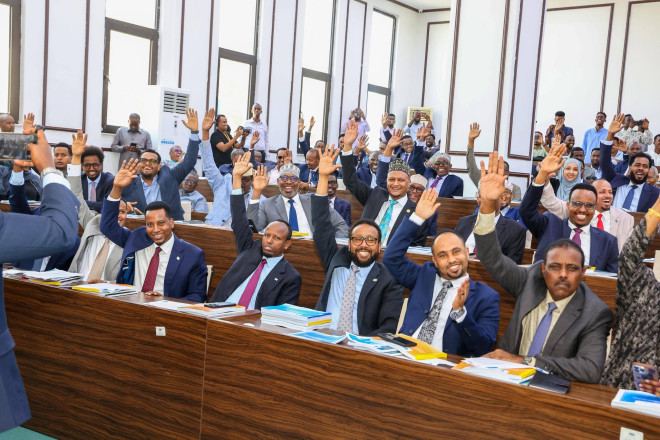
Somalia’s recent constitutional changes have ignited discussions on its federal system, with supporters viewing them as progress towards stronger institutions and critics fearing excessive centralization in Mogadishu. However, political power in Somalia is often negotiated through clan coalitions rather than functioning as a true federal state. Despite established institutions like parliaments and regional governments, authority is largely influenced by clan alliances and elite networks.
This clan-based dynamic affects decision-making processes, such as cabinet appointments and electoral negotiations, which focus on maintaining clan representation. While clan identity has been crucial for stability post-state collapse in 1991, it becomes problematic when the state is primarily a venue for elite bargaining rather than serving citizens.
Similar issues are seen in other post-conflict nations like Lebanon, Iraq, and Afghanistan, where informal networks prevail over institutional frameworks.
Ordinary Somalis often feel disconnected from elite political negotiations, prioritizing needs like security and jobs over constitutional debates. While completing the constitution is vital, it alone won’t alter the political landscape. The question remains whether Somalia’s system has stabilized in ways that differ from reformers’ expectations.
Ongoing political fragmentation and crises may signal a functioning order among elite clan coalitions rather than systemic dysfunction. Acknowledging this reality is crucial for meaningful reform, as true progress relies on delivering security and services to citizens. Only then can political legitimacy shift from clan-based interests to accountability and public trust. Until such changes are realized, debates about federalism are likely to persist.
