



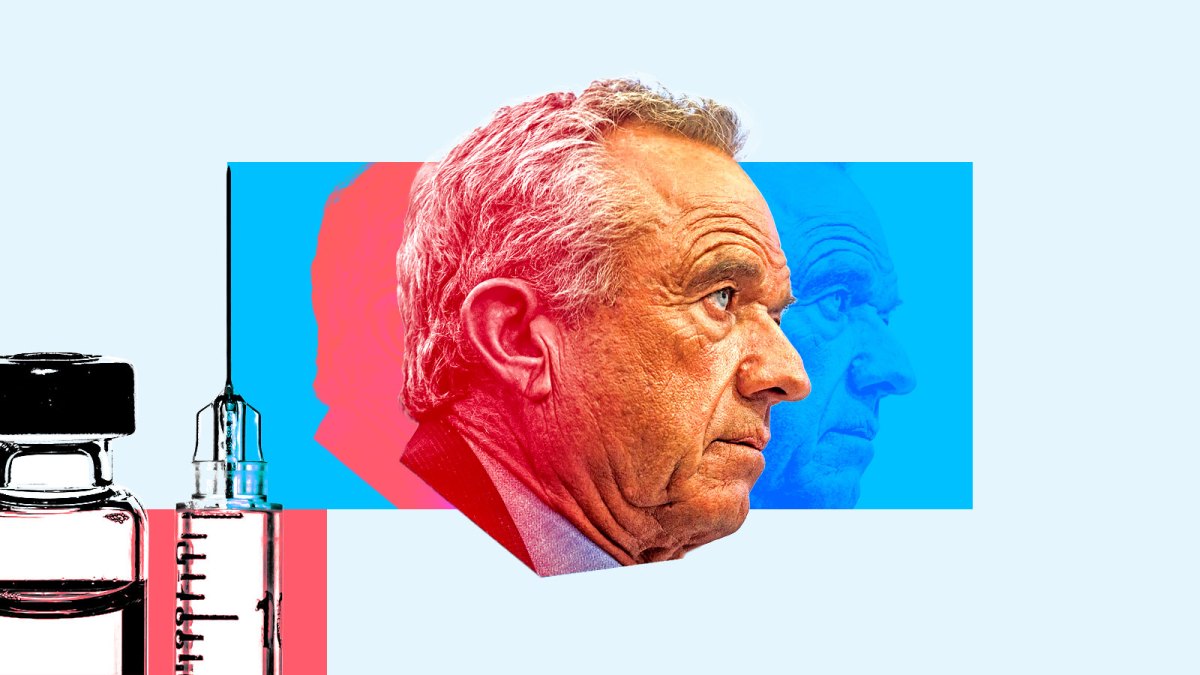
At the CDC headquarters in Atlanta, building staff operate under the fear of surveillance and instability following the drastic leadership changes since Robert F. Kennedy Jr.’s appointment as health secretary. Over 10,000 employees have been fired, leading to a chaotic environment marked by secrecy and dysfunction. Staff avoid Zoom meetings, discuss sensitive topics in soundproof offices, and even scavenge for supplies from the desks of sacked colleagues.
Kennedy, in an initiative to “make America healthy again,” has disrupted longstanding scientific norms, cancelled research programs, and dismissed members of crucial committees like the advisory committee on immunization practices (ACIP). Critics describe this as a dangerous politicization of health policy, with fears that public health will suffer due to these changes. Research hubs focused on chronic disease prevention are also being dismantled, raising alarms about their impact on American health.
Insiders report that additional bureaucratic layers have worsened efficiency despite claims of reform. Staff express a pervasive sense of fear and uncertainty about the future, with many questioning the intentions of Kennedy and his administration. A lack of clear direction and support threatens to undermine ongoing health efforts, leaving employees anxious about the potential consequences for public health both in the U.S. and globally.
