



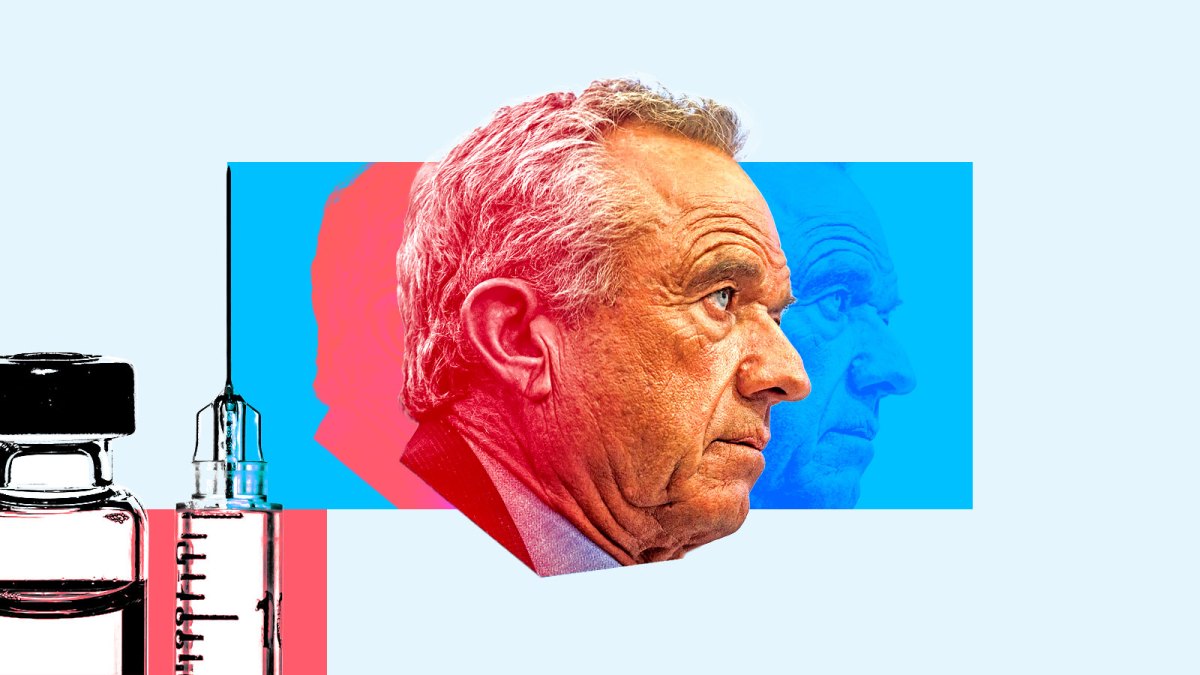
At the CDC headquarters in Atlanta, employees operate in a climate of fear and secrecy, largely out of concern over potential surveillance from officials in the Department of Government Efficiency (Doge). Following Robert F. Kennedy Jr.’s appointment as health secretary, over 10,000 staff members have been terminated, leading to widespread disruption and a reported shift in health priorities. Insiders describe a chaotic environment where essential research programs are being canceled, and scientific norms are undermined.
Kennedy’s approach aims to overhaul vaccine policies and government structures, but critics warn that these changes jeopardize public health. Key advisors have been dismissed, igniting fears about vaccine availability and the politicization of scientific practices. Programs focused on chronic disease prevention, like lead-poisoning prevention and the Prevention Research Centers, have been halted, compromising efforts to combat serious health issues.
Despite Kennedy’s claims of pursuing necessary reforms, employees express concern over added bureaucratic layers that impede efficiency. Many fired employees are hesitant to return to an administration perceived as anti-science. Those still working at the CDC feel a lack of direction and apprehension about the future impact on public health, voicing that the current situation has dire consequences both domestically and internationally.
