



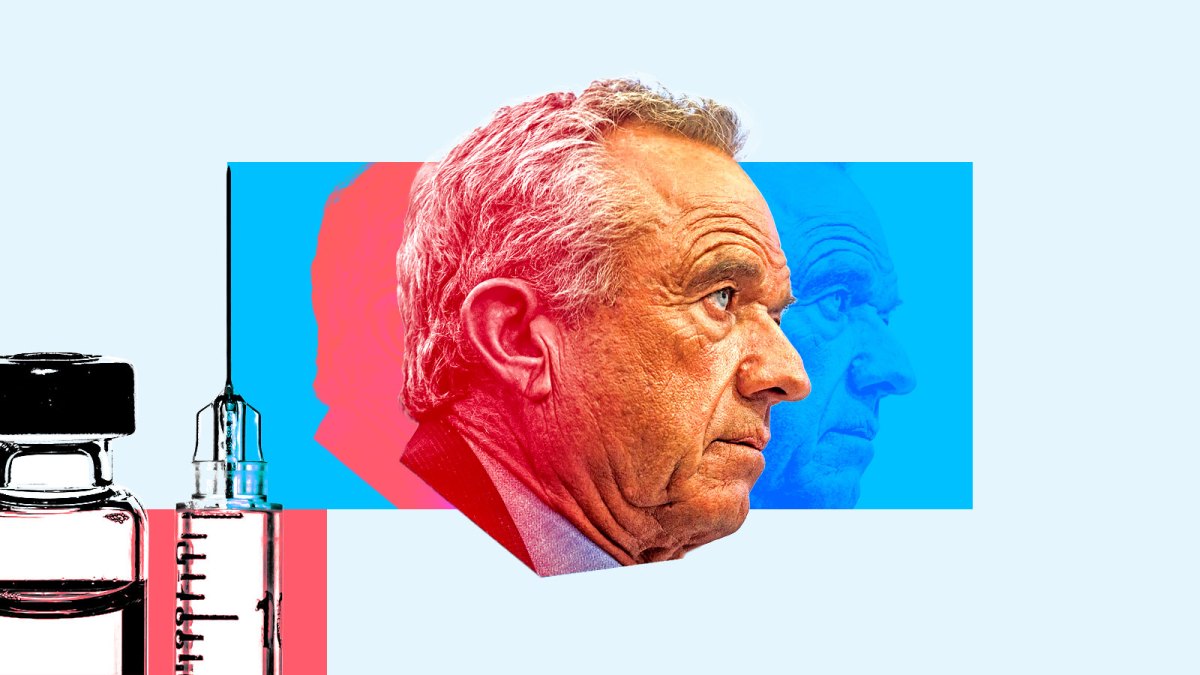
In Building 21 of the CDC in Atlanta, employees are in a state of heightened anxiety and secrecy, fearing surveillance and potential job losses as Robert F. Kennedy Jr. leads a significant overhaul of U.S. health agencies since his appointment as health secretary in February. Over 10,000 staff have been terminated, many with decades of experience, causing disarray and a perceived dismantling of critical health infrastructure.
Insiders criticize Kennedy and the Department of Government Efficiency (Doge) for disrupting long-standing scientific norms and canceling vital research programs they deem “woke.” Some staff resort to using notebooks instead of computers and scavenging supplies from former colleagues. Despite Kennedy’s claims of necessary reforms, many experts argue that these changes threaten to undermine public health, particularly in areas like vaccine policy and chronic disease prevention.
Recently, Kennedy fired the entire advisory committee on immunization practices to restore confidence in vaccine science, a move perceived by many as politicizing public health decisions. Concerns have grown as past programs aimed at preventing lead poisoning and supporting chronic disease research are also being dismantled, while new funding initiatives seem misaligned with current scientific standards.
Overall, former and current employees express deep concern over the direction of the CDC, FDA, and NIH under Kennedy, suggesting a loss of accountability and increased bureaucracy that may endanger public health initiatives. Many are disillusioned, feeling that the changes are antithetical to scientific integrity and may have dire implications for health outcomes in the U.S.
