



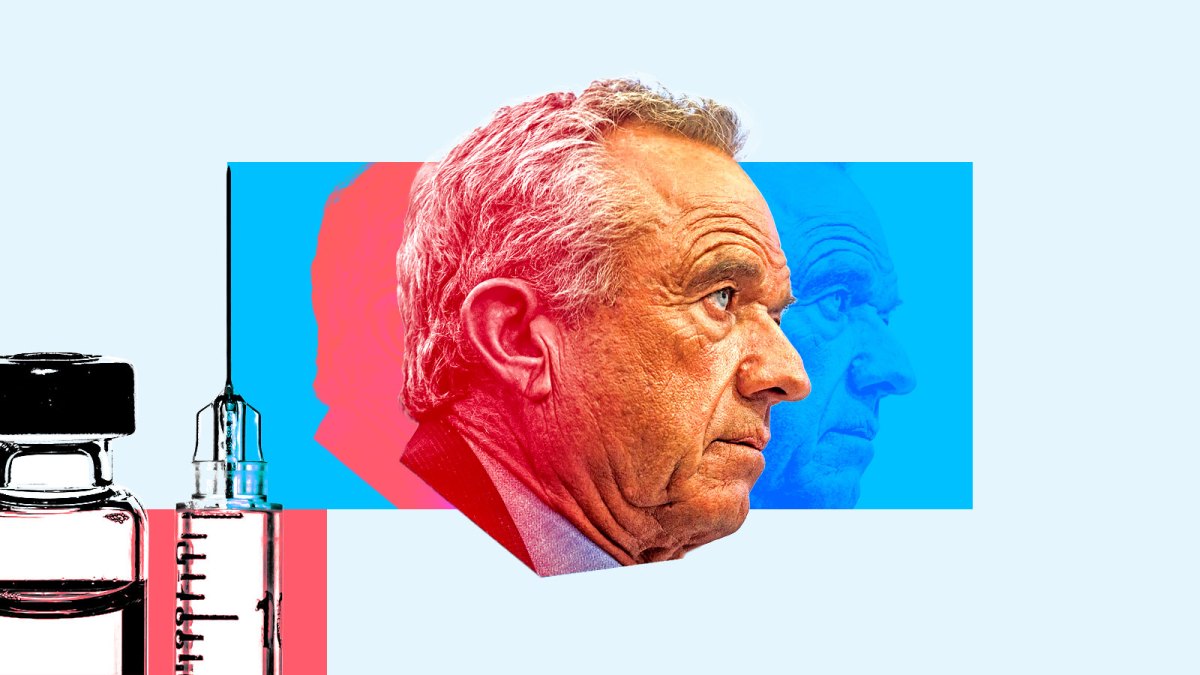
At the CDC’s Atlanta headquarters (Building 21), a climate of fear dominates among employees, with many avoiding Zoom meetings to prevent being recorded and discussing sensitive topics only in soundproof rooms. Employees express anxiety about constant monitoring by officials from the Department of Government Efficiency (Doge) following Robert F. Kennedy Jr.’s appointment as health secretary in February, which led to over 10,000 dismissals among experienced staff.
With significant restructuring underway, longstanding health priorities are being altered, with many research programs deemed “woke” being cut. Employees report a culture of chaos and dysfunction, highlighting issues like a lack of basic office supplies due to constrained funding.
Kennedy’s changes, particularly related to vaccines, have sparked controversy. He fired the members of the long-standing immunization advisory committee, claiming they had conflicts of interest, and introduced new advisers with anti-vaccine stances. Critics argue that the disruptions could harm public health and politicize vaccine availability.
Kennedy aims to overhaul health initiatives, but many insiders warn that necessary expertise is being dismantled, potentially leading to poorer health outcomes. Program closures, like the CDC’s lead-poisoning prevention, raise concerns as the organization feels the impact of mass firings and budget constraints.
Additionally, operations at the FDA have been hindered due to staff cuts, resulting in logjams in food safety inspections. Insiders reveal growing anxiety over the department’s direction, prompting speculation about who is truly in control amid increasing bureaucracy and inefficiency.
Many from the CDC, faced with stunning shifts in operations and values, reflect on their disillusionment under Kennedy’s leadership, fearing the long-term consequences for public health in the U.S.
