



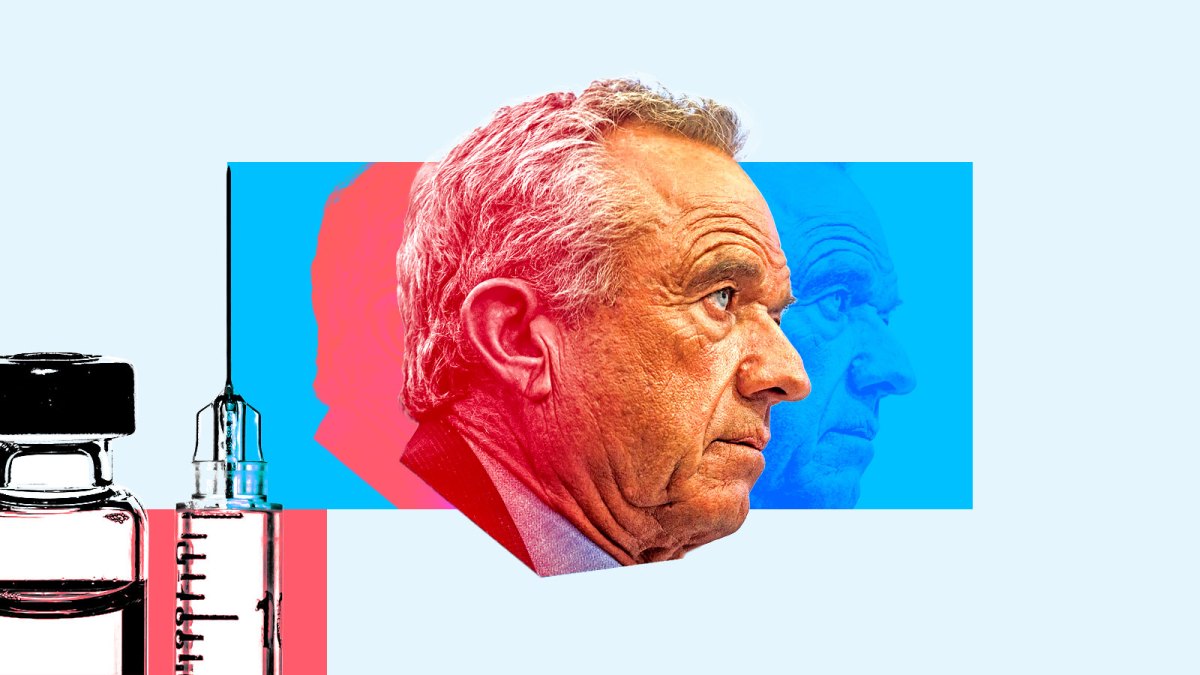
At the CDC headquarters in Atlanta, the atmosphere has turned dystopian, with employees avoiding Zoom meetings for fear of surveillance and discussing sensitive matters only in soundproof rooms. The tension follows mass firings of over 10,000 experienced staff after Robert F. Kennedy Jr. took office as health secretary. Many current employees describe their work environment as chaotic and dysfunctional, with vital health programs shuttered and bureaucratic obstacles added instead of streamlined.
Kennedy’s reform agenda has led to the dismissal of the longstanding advisory committee on immunization practices, with critics warning that these changes could jeopardize public health. Experts express concerns that critical programs aimed at preventing diseases like lead poisoning and chronic illnesses are being dismantled, leaving communities vulnerable.
Despite Kennedy’s claims of driving necessary reforms, insiders criticize his administration for creating inefficiencies, raising fears about the overall health infrastructure’s stability. Many workers report a deep sense of anxiety and uncertainty, feeling that decisions made under this administration are counterproductive to public health.
