



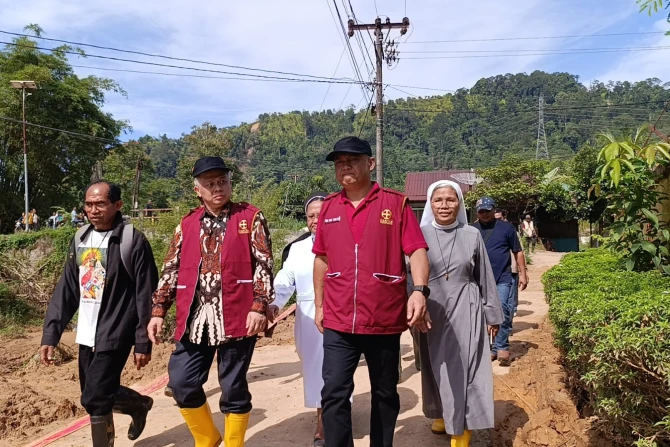
In December 2025, following devastating floods and landslides in Sumatra, Indonesia, the Catholic Church, led by organizations like Caritas Indonesia, is launching an emergency relief initiative to aid millions affected. Cyclone Senyar exacerbated the situation, impacting provinces such as Aceh, North Sumatra, and West Sumatra. Father Fredy Rante Taruk of Caritas Indonesia emphasized the focus on providing food, shelter, clean water, hygiene services, and health care to displaced communities.
As of late December, over 3.3 million individuals have been impacted, with significant loss of life and extensive property damage. Humanitarian efforts have faced challenges due to infrastructure destruction and a lack of a national disaster emergency declaration, which hindered resource mobilization. Local parishes and volunteers are playing crucial roles in relief distribution and health outreach.
In conjunction with Caritas, Jesuit Refugee Service (JRS) has also stepped in to provide essential supplies and support, standing in solidarity with affected communities. The flooding has been linked to longstanding environmental issues, including deforestation, which has made these communities more vulnerable to climate crises. Church leaders, including Father Supriyadi Pardosi, are calling for accountability, particularly targeting the pulp company PT Toba Pulp Lestari, citing its role in exacerbating flooding and social issues in the region. Public protests have been organized to demand justice and a paradigm shift in environmental stewardship, emphasizing that ecological destruction ultimately harms human life.
The response underscores the importance of international assistance and the need for a long-term commitment to addressing both the immediate and underlying causes of the ecological disaster in Indonesia.
