


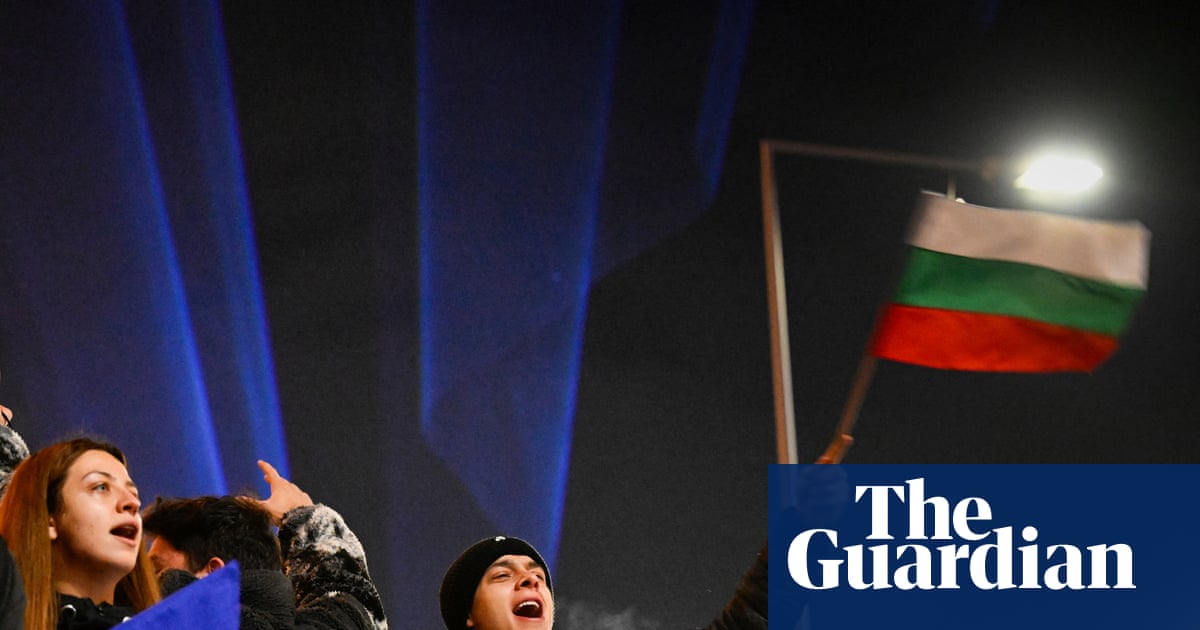
Bulgaria is set to adopt the euro on January 1, becoming the 21st member of the eurozone, amid political instability and fears of disinformation from Russia. While 51% of Bulgarians support the euro, 45% oppose it. The initiative is seen as a means to boost the economy and reinforce Bulgaria’s pro-West stance, with European officials highlighting potential benefits like increased trade and investment.
However, political tensions have intensified, particularly from the far-right, pro-Russian Revival party, which has blocked discussions in parliament. A prolonged political crisis and widespread corruption have eroded trust in the government, culminating in the resignation of the former prime minister after mass anti-corruption protests.
Concerns abound regarding inflation during the currency transition, especially among the elderly and rural communities. Some, like pensioners Nencho and Maya, worry about managing their budgets during this period. Others, like engineer Elena, fear losing cultural identity with the change from the lev.
Opposition figures claim that adopting the euro could lead to economic distress, likening it to Greece’s crisis, while investigative reports indicate a Russian-backed disinformation campaign undermining euro support. Despite this, many, like pharmacist Maria, remain optimistic about the long-term benefits of joining the eurozone. The transition period will allow payments in both lev and euro, but only euro will be accepted post-January 31.
