



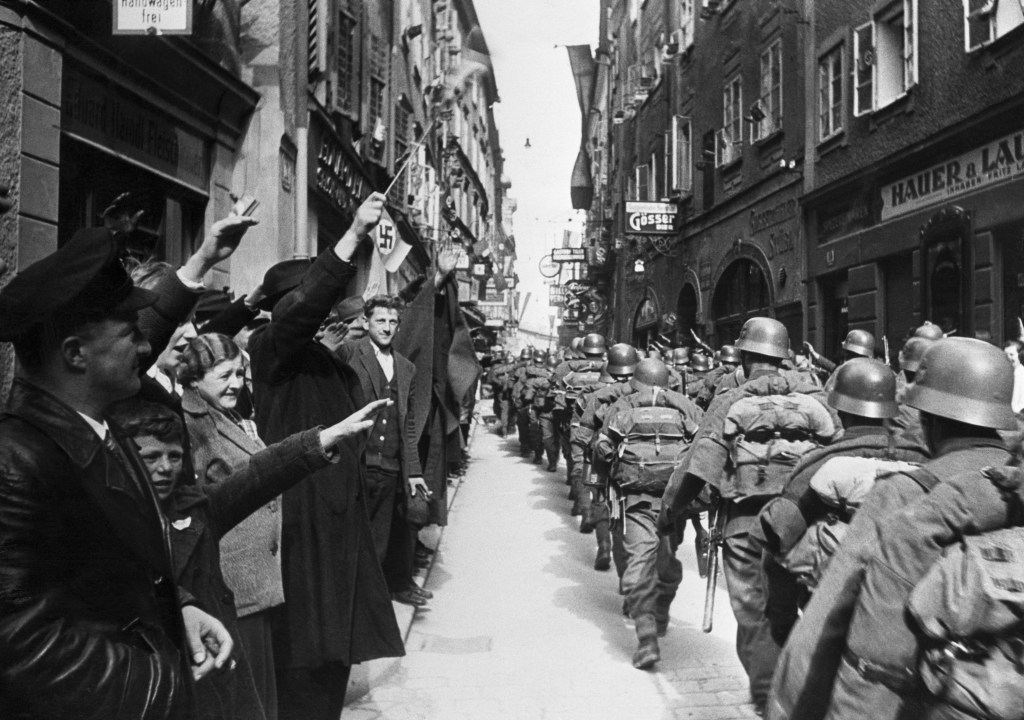
In the tumultuous 1920s, Europe was witnessing the disintegration of the liberal consensus. Amidst rising Bolshevism and conflicts between fascism in Italy and National Socialism in Germany, philosopher Aurel Kolnai, a Hungarian Jew, experienced the extremes of political radicalism. After fleeing Hungary due to anti-Semitic violence, Kolnai settled in Vienna, where he began critiquing Nazism, publishing his thoughts under the name Van Helsing.
His critical analysis continued for 15 years, exploring the rejection of liberal individualism by figures of the Nazi ideology, who deemed it a threat to the collective state and promoted a “common good” that prioritized nation over individual rights. He observed that many early fascists and communists were ordinary individuals misled by the allure of strong national movements and the rejection of liberalism, believing they had seen through its supposed lies.
Kolnai published “The War Against the West” in 1938, scrutinizing Nazi philosophy and warning against the dangers of unbounded state power associated with fascism and the deep immaturity of both fascism and communism. He distinguished his view of “civilization” as one that embraces freedom, reasoned discourse, and respect for human dignity, contrasting it with the violent and destructive nature of totalitarian regimes.
He argued for a balanced, nuanced approach to governance that recognizes the importance of tradition and community within a liberal framework, cautioning against the risks of ideological extremism. His insights remain relevant today, encouraging a commitment to civil discourse and mutual respect within human societies, thereby serving as a vital counterexample to the totalitarian failures of the 20th century.
