



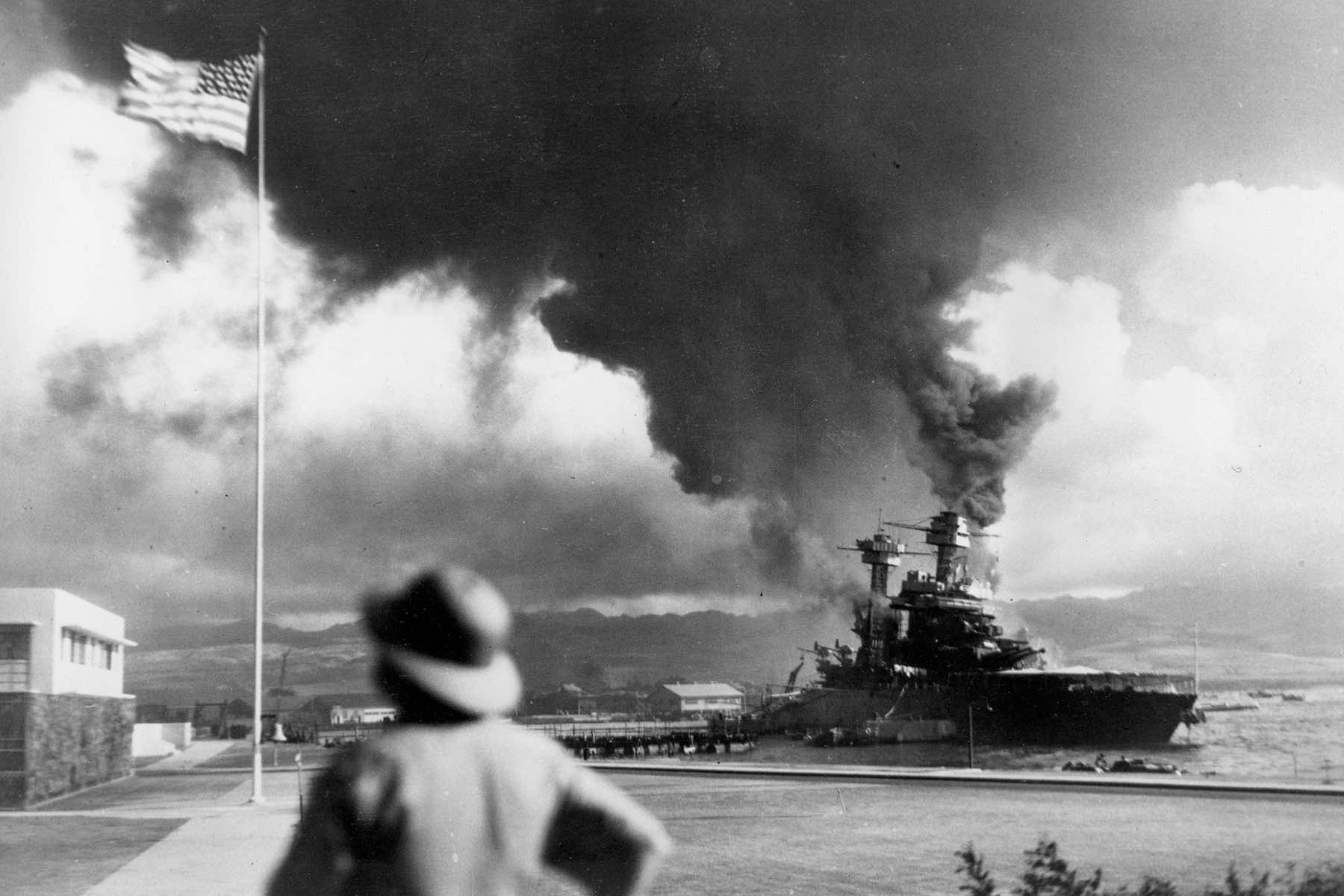
In the chaos of Pearl Harbor, Doris Miller, a Black sailor, fearlessly took action to help his wounded captain and defend the ship, despite having no formal training for combat. After the West Virginia sank, the U.S. declared war on Japan, followed by Italy and Germany, aligning under Mussolini’s steel pact, which aimed to destroy democracy in favor of fascism. Mussolini’s ideology rejected egalitarianism, advocating for a hierarchical society led by an elite few, a concept that resonated with Hitler.
In response, the U.S. fought World War II to safeguard democracy. Over 16 million Americans served, with significant contributions from Black Americans, Latinos, Jews, and Indigenous peoples. President Franklin Delano Roosevelt emphasized that the war was fundamentally about equality, contrasting democratic values with the oppressive nature of fascism.
Despite victories, post-war, reactionary elements grew fearful of inclusivity, suggesting that sharing power threatened their autonomy. This led to erosion of equality laws. The article warns that under Donald Trump, the principles of democracy have been compromised, as he promotes an undemocratic hierarchy, marginalizing women, people of color, and immigrant communities.
Doris Miller’s legacy symbolizes resistance to the erosion of democratic values. After being promoted, he tragically died in service on the USS Liscome Bay. The article closes with a reflection on the resilience of democracy, suggesting that despite current threats, figures like Miller inspire hope for the future of American democracy.
