



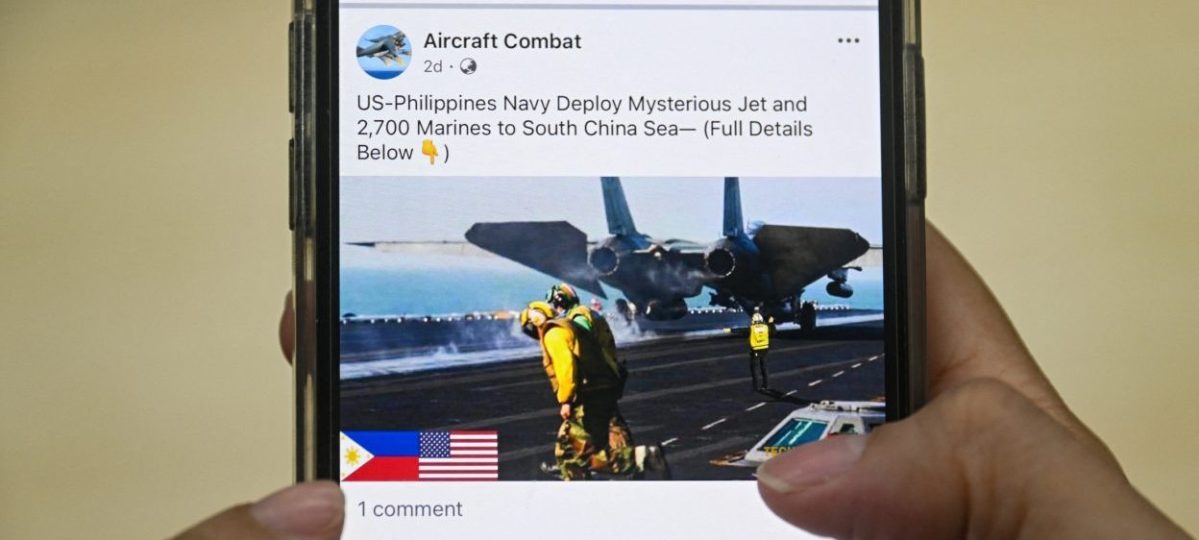
The South China Sea is a critical geopolitical area marked by disputes between the Philippines and China over territorial claims, fishing rights, and energy resources. Tensions have intensified due to AI-driven propaganda, which has become a tool for manipulating public perceptions and spreading disinformation.
AI has transformed political propaganda, enabling vast manipulation of public discourse. A Freedom House report indicates that 16 countries have experienced AI-driven campaigns aimed at creating doubt and influencing debates. In the Philippines, AI-generated media is notably involved in scams and misinformation.
A notable incident occurred in July 2024 when a deepfake video falsely portrayed President Ferdinand Marcos Jr. ordering an attack on China, triggering public panic. This was swiftly debunked as fake, revealing its foreign origins. Content creators, like the YouTube channel PH TV, spread misleading narratives about US military actions in the region, which many viewers accepted as fact without skepticism.
While the identity of PH TV’s operators remains unclear, it potentially aligns with Chinese state media efforts that also use AI to create false narratives, exemplifying a strategy to foster pro-China sentiment. Reports revealed fake accounts promoting these narratives, particularly regarding former Philippine President Rodrigo Duterte’s pro-China stance.
AI-generated disinformation campaigns present a danger by distorting reality, fueling public fear and confusion. A study found that over half of Filipinos struggle to identify fake news, making them more vulnerable to manipulation, which can potentially rally support for military conflict.
To combat this, the Philippine government is considering legislation to regulate AI misuse, especially before the upcoming 2025 elections. In contrast, China mandates labeling AI content but lacks specific disinformation laws, while the Philippines has primarily issued diplomatic protests against aggressive moves from China.
Journalists have begun accompanying government missions to disputed areas for transparency, raising concerns about their objectivity due to potential government pressure. The influence of AI-driven propaganda in the region is anticipated to grow, necessitating coordinated efforts to mitigate its impact.
Policymakers need to strengthen regulations, while tech companies should enhance AI detection tools. Meanwhile, civil society must prioritize media literacy to help the public critically evaluate information. However, the diminishing role of social media in fact-checking exacerbates the risk of unchecked misinformation, underscoring the need for independent verification networks to safeguard information integrity in the region.
