



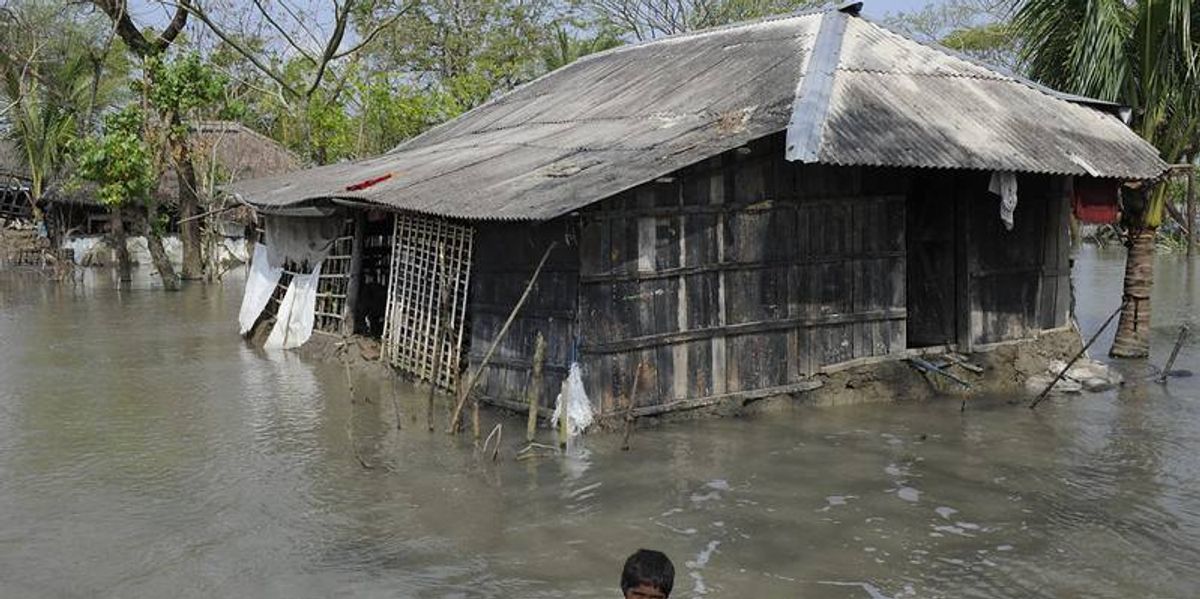
The article discusses the severe consequences of climate change beyond rising temperatures and extreme weather, particularly focusing on the issue of human displacement. It estimates that by 2050, over 1 billion people could become climate refugees, yet they lack legal recognition and protection. The article highlights that climate-related disasters have led to mass internal and international displacement, significantly impacting vulnerable countries. Most climate migrants remain unprotected by international law, as existing frameworks, like the Refugee Convention, do not account for those displaced due to environmental factors.
Climate change exacerbates poverty, violence, and instability, further driving migration. Many displaced individuals live in countries with limited resources, and their plight is often overlooked. The article emphasizes the necessity for new legal protections, arguing for an expansion of the Refugee Convention and recognition of climate migrants in international law.
It calls for a comprehensive legal framework to safeguard climate refugees and urges countries to cooperate in addressing this humanitarian crisis. The article concludes that supportive measures for climate migrants are essential, and tackling climate change itself is crucial to prevent further displacement. Supporting climate refugees is framed as a moral obligation.
