



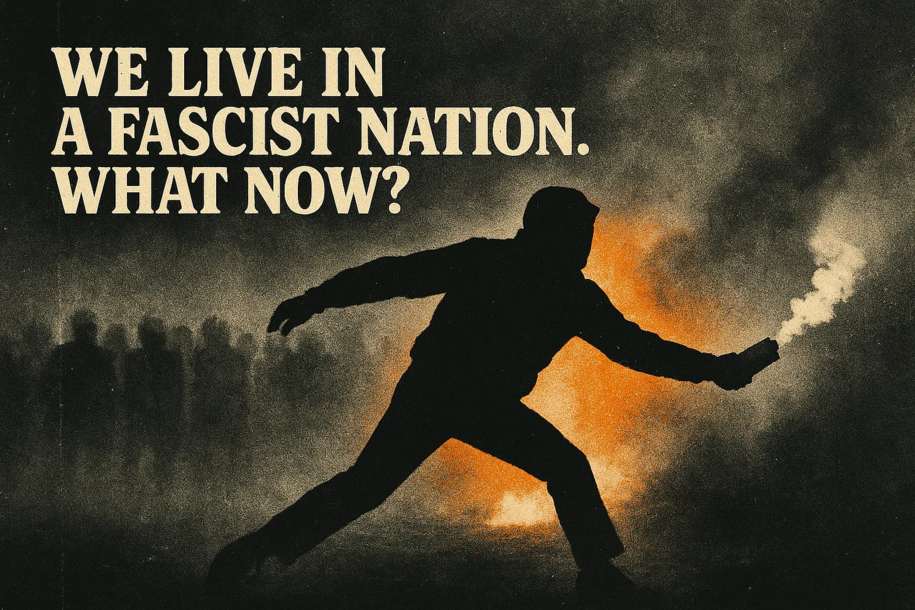
In 1933, German conservatives believed they could control Hitler, but within two years they faced execution or exile. Researching historical examples reveals a grim pattern: once fascists gain power democratically, they have never been removed democratically—a bleak finding that highlights the consistent failure of conservatives who align with fascists. Historical cases in Germany, Italy, Spain, and more demonstrate that after gaining power, fascists purge their allies.
The article also notes a rare success in Finland, where a coup attempt was crushed before fascists could secure power. In most instances, resistance came too late, often resulting in decades of dictatorship. Even contemporary examples, like Hungary under Orbán, show how democracies can devolve into one-party states without successful counteraction.
With the historical window for prevention closed, the author emphasizes the unprecedented situation faced today in the U.S., with institutions already influenced by fascist elements. Given the lack of historical precedents for a wealthy democracy facing fascism, the article proposes four potential courses of action:
-
Blue State Coalition or Soft Secession: Blue states could potentially function independently, ignoring federal mandates and creating their systems.
-
Selective Compliance and Irish Democracy: Citizens could silently resist by not complying with unjust laws, overwhelming enforcement mechanisms.
-
Secession: Blue states could explore serious talks about secession given the fundamentally opposing visions for the country.
-
International Intervention: Blue states might call for external oversight, potentially influencing structural change through international pressure.
While acknowledging the extreme nature of these options, the article argues that the historical record does not account for this unique situation. It concludes by stressing the need for innovative responses to the threat of fascism, leaving open the question of whether this generation can find a path forward.
