



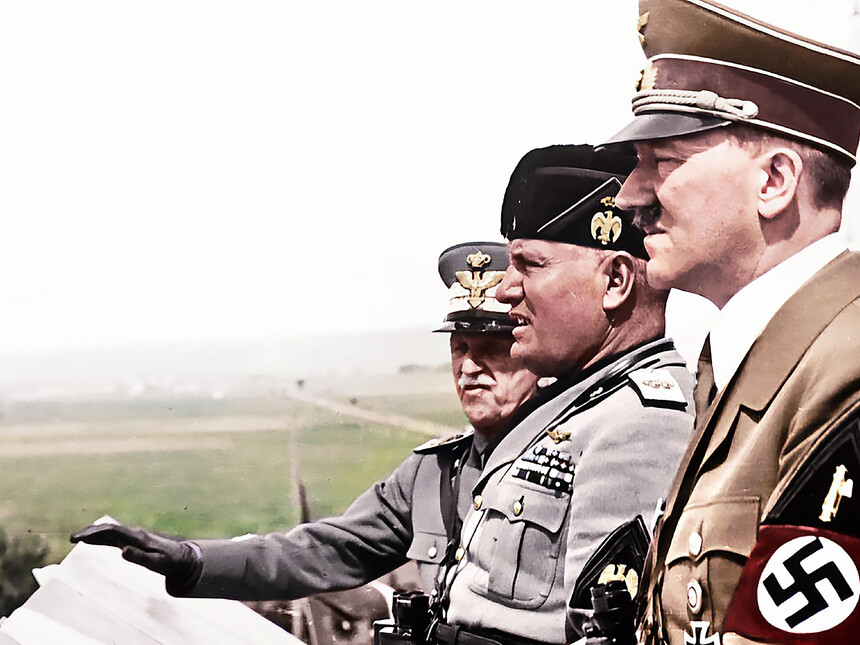
The article discusses the experiences of Roman Jews during significant historical periods, focusing on their roles in World War I and the rise of Fascism in Italy. Initially, during World War I (1915-1918), Roman Jews, as full Italian citizens, served in the military, with many achieving high ranks. With Mussolini’s rise to power in 1922, a repressive Fascist regime emerged, seeking popular consensus through propaganda and public works. While some Jews supported Fascism, others opposed it, notably Chief Rabbi David Prato, who emigrated to Israel.
As antisemitism became more prevalent, it shifted from religious to racial justifications for persecution, viewing Jews as a biological threat to the so-called Aryan race. This shift was characterized by pseudoscientific beliefs that dehumanized Jews. After Hitler’s rise in 1933, proclamations such as the Nuremberg Laws severely restricted Jewish rights in Germany.
In Italy, Mussolini enacted anti-Jewish measures from 1938, supported by King Vittorio Emanuele III. These racial laws drew from biological racism, marginalizing Jews as “second-class citizens,” banning them from military and public roles, and imposing extensive restrictions on their daily lives, such as prohibitions on owning businesses, owning property, and engaging with Aryan individuals. Further oppressive measures followed, severely limiting Jews’ professional and cultural participation.
When Italy entered World War II, policies against Jews intensified, leading to the internment of foreign Jews and those deemed “dangerous.” The article illustrates how a vibrant Jewish community was marginalized and demonized, ultimately viewed as enemies of the state.
