



The article explores the complexities and differing interpretations of Christian Nationalism, noting its lack of a clear definition. Secular progressives often label any conservative Christian political activism as Christian Nationalist, while some intellectual proponents, like Rusty Reno, advocate for it as a means of social renewal. Reno believes that Christian nationalism can serve to temper American idealism and promote the common good.
He acknowledges the risk of it becoming bellicose without moral restraints, which Christianity can provide. However, the article critiques the current state of self-identified Christian Nationalists, who often lack the humility Reno advocates, favoring overreaching political objectives. The concept of a confessional state is seen as problematic, particularly as it may not attract broad support in a country where many Americans are religiously unaffiliated.
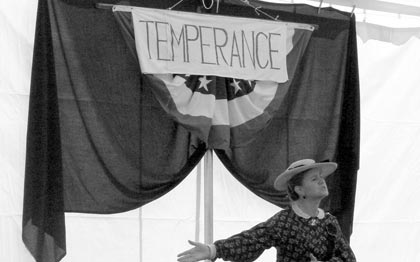
The article draws comparisons with historical movements like Temperance and Civil Rights, emphasizing that meaningful social change often arises from a shift in public attitudes rather than solely through political action. It questions whether Christian Nationalism can effectively influence public opinion or sustain political power, given the declining percentage of Americans identifying as Christian.
Reno envisions a future where increased Christian influence in American life is positive, but the article challenges whether that influence can be achieved through Christian Nationalism. It suggests that authentic societal change comes through individual conversion and behavior, rather than merely political control. Ultimately, the author encourages viewing societal advancement as a complex process governed by providence, urging Christians to focus on redemptive renewal rather than nostalgia for a glorified past.
