



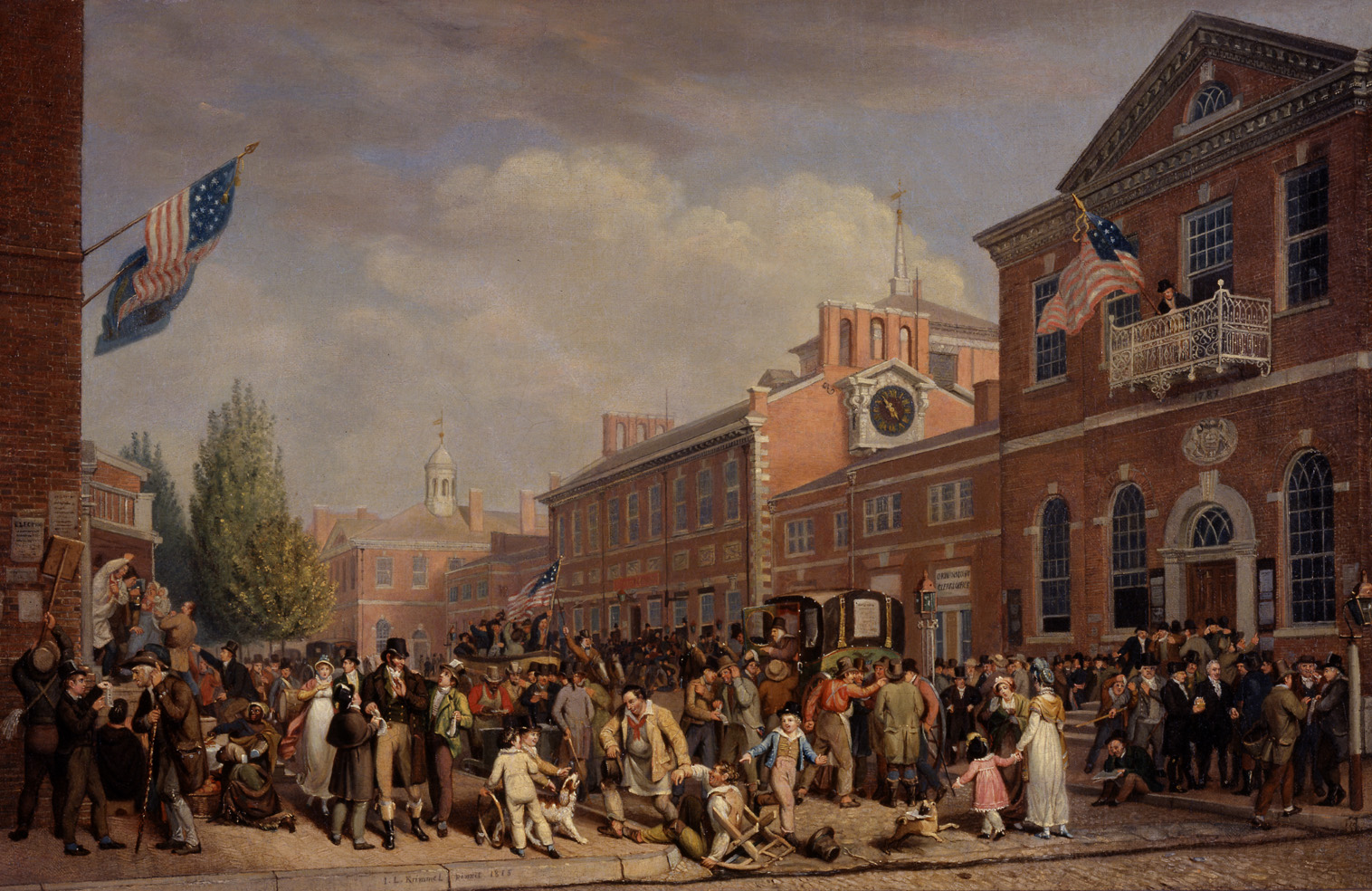
In 2026, the perception of patriotism in Christian discourse, especially among evangelicals, has increasingly become negative. Scholars argue that patriotism is often seen as naivete or jingoism, particularly in light of rising concerns about Christian nationalism. Following the assassination of Charlie Kirk, many Christians feel compelled to engage politically yet struggle with the mixed messages from leaders advocating either disengagement or militant nationalism.
Daniel Darling’s book, In Defense of Christian Patriotism, presents a biblically rooted case for patriotism, arguing it is compatible with a faithful Christian life. The book is divided into two parts: the first lays out the apologetic for Christian patriotism, drawing from historical Christian thought. Darling cites figures like Augustine and C.S. Lewis, asserting that a healthy engagement with politics has historically been a norm in Christianity.
The second part addresses how to implement this patriotism within local communities. Darling advocates for grassroots involvement, emphasizing that true patriotism should begin with local engagement, family, and community values. Unlike other contemporary authors, Darling focuses on gratitude for America rather than dwelling on its failings, arguing that recent trends have led to a dangerous distaste for American politics among Christians.
He asserts that the lack of engagement stems from years of anti-American sentiment in education and culture. Darling’s work is timely, providing practical guidance for Christians in navigating civic engagement as the nation approaches its 250th year. His vision presents patriotism not as a threat to Christian values but as a call for Christians to actively participate in making America exceptional through local acts of service.
