



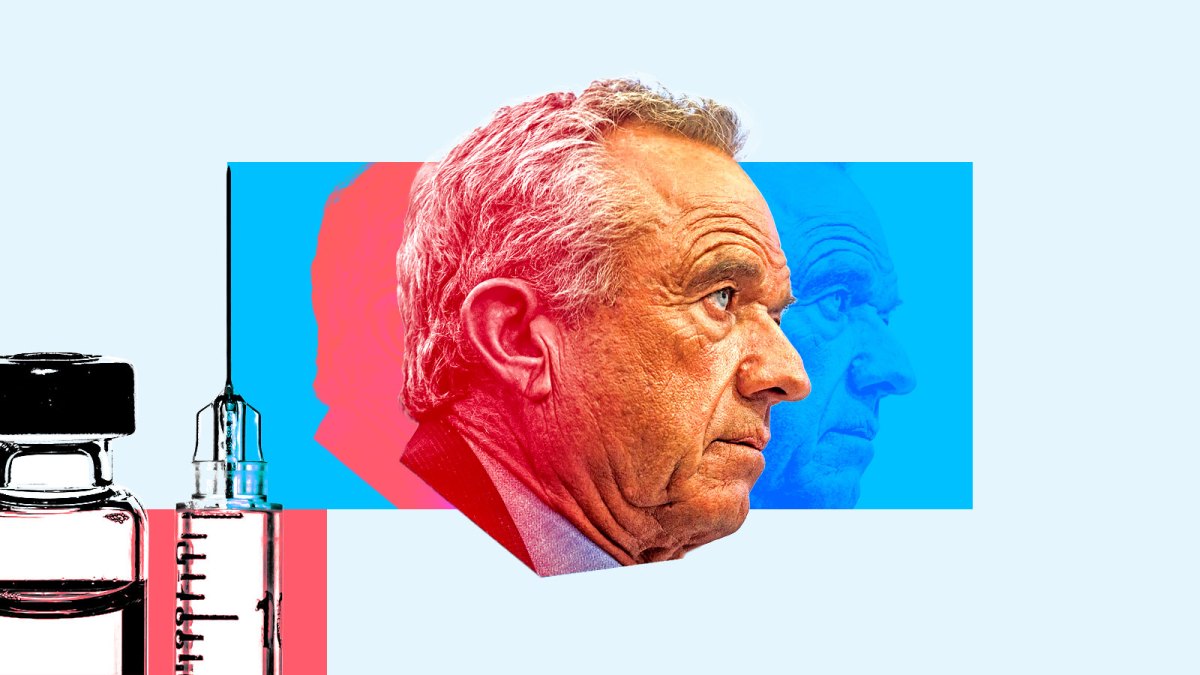
At the CDC headquarters in Atlanta, employees operate in a climate of fear and secrecy following significant leadership changes under Health Secretary Robert F. Kennedy Jr. Since his appointment in February, over 10,000 staff members have been dismissed, creating a pervasive atmosphere of surveillance and paranoia, as employees are avoiding Zoom meetings and using notepads instead of computers to evade potential recordings.
Current and former employees describe chaos and dysfunction within the agency, with decades-long health priorities being abandoned and research programs canceled due to perceived “wokeness.” Many are critical of Kennedy’s drastic reforms, suggesting they could irreparably damage public health and scientific integrity. Notably, Kennedy’s decision to fire all members of the advisory committee on immunization practices has raised concerns regarding the politicization of vaccines, while his plan to develop vaccines using outdated technology has drawn skepticism from experts.
Sources indicate that essential programs, including those focused on chronic disease prevention and lead-poisoning prevention, are being dismantled or neglected, exacerbating public health risks. Despite claims of improving efficiency, staff report increased bureaucratic hurdles for grant approvals, countering the intended aims of reform.
Amidst this upheaval, many employees express deep concerns over the future of public health in the U.S. and the implications of the current administration’s anti-science approach. For those remaining, the absence of a coherent plan and the persistent state of anxiety signal troubling times ahead for American health agencies.
