



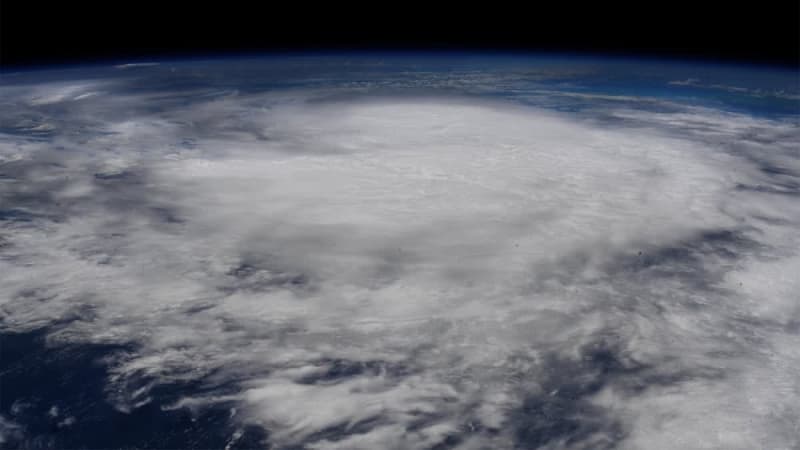
Last month, the World Economic Forum released an annual assessment highlighting global risks, ranking mis- and disinformation second and extreme weather events fourth for the next two years. Over the next decade, the top six risks will predominantly relate to mis/disinformation and climate disruptions. The combination of climate change and information manipulation creates compounded challenges, distorting responses to environmental crises, as seen in hoaxes during disasters.
Reliable information is crucial for managing risks, whether from natural disasters or security threats. The article emphasizes warnings from U.S. officials about climate change’s national security risks. Russia has exploited climate-related disasters to undermine support for Ukraine and promote grievances in NATO countries. Moreover, extreme weather disrupts voting access, presenting opportunities for authoritarian influence.
Climate change has a significant economic impact, costing the U.S. $130 billion annually, with severe implications for military operations and humanitarian crises. Reliable information is essential for all Americans, as both red and blue states face climate-related threats. Despite political divisions, many Americans support climate resilience measures.
The ongoing issues of extreme weather and misinformation pose dangers to U.S. national security. A coordinated approach across various sectors is necessary to tackle these intertwined challenges, with a call for future leaders to prioritize collective security. Michael Chertoff, former U.S. Secretary of Homeland Security, underscores the need for effective action against these risks.
