



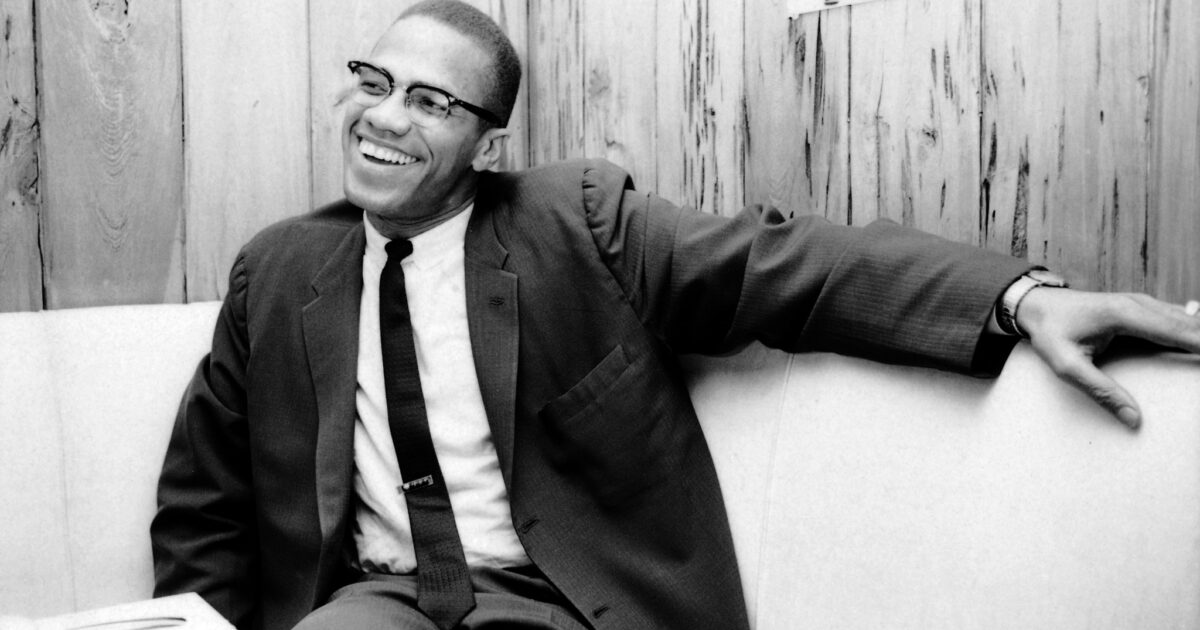
The article reflects on Malcolm X’s enduring legacy, particularly his profound connection to poetry and language, which shaped his radical politics and resonated with oppressed communities globally. Malcolm expressed a passion for poetry in a 1949 letter, indicating its ability to capture the human experience amid societal emptiness. His time in prison fostered his love for language, prompting him to read works from influential poets, including ancient Persian ones, which enriched his understanding of Islam and the human condition.
Malcolm’s oratory style, characterized by poetic sensibility and lyrical rhythm, enabled him to connect deeply with audiences, illustrating the struggles of Black Americans through vivid metaphors and narratives. His speeches, such as “Message to the Grassroots” and “The Ballot or The Bullet,” utilized powerful imagery and repetition to convey messages of resistance against oppression and advocate for Black nationalism.
Mark Whitaker and cultural critics emphasize the musicality and emotional depth of Malcolm’s voice, making his speeches resonate as deeply as poetry. His experience during the Hajj and encounters in the Middle East influenced his perspective on global struggles for justice, leading to a critique of Zionism as a new form of colonialism, aligning the struggles of African Americans with those of Palestinians.
The article highlights how the Black Arts Movement was born from the grief of Malcolm’s assassination, with poets like June Jordan echoing his calls for resistance against oppression. It draws parallels between Malcolm and contemporary figures, underscoring the continuing significance of his words in movements for justice today. The piece concludes by reinforcing the idea that Malcolm X’s legacy remains alive, perpetuated through the collective memory and action of poets and activists.
