



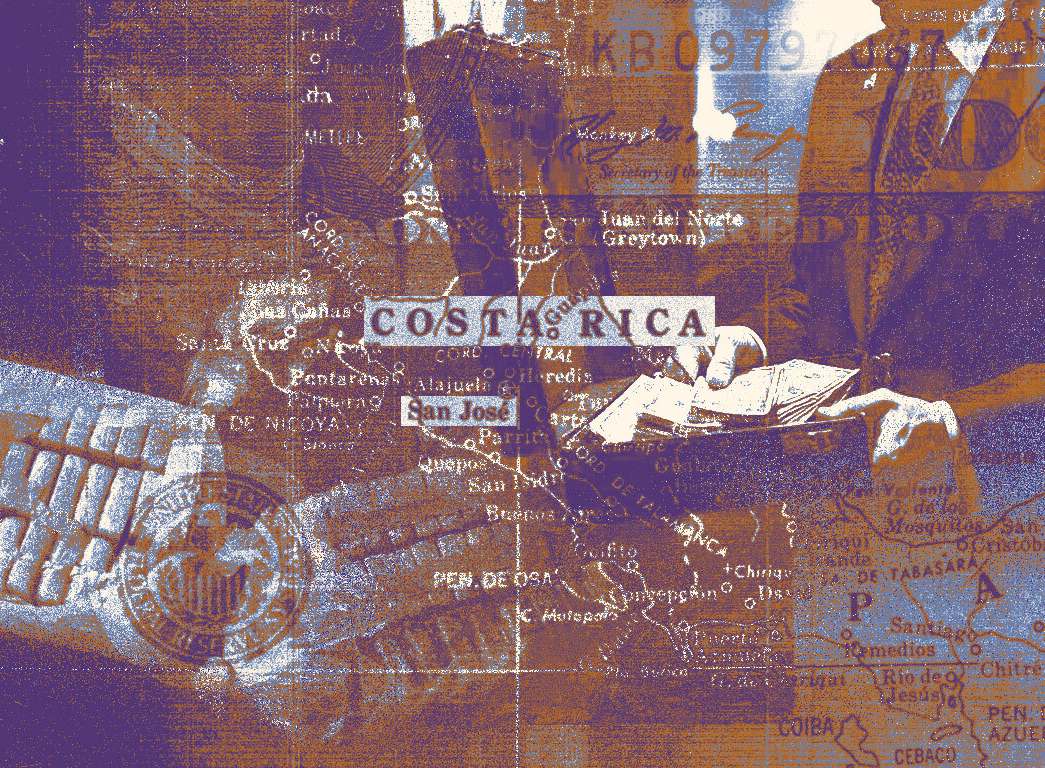
The article discusses the re-election of Costa Rica’s right-wing government, led by President Rodrigo Chávez and his successor Laura Fernández, on February 1. This regime has been criticized for its authoritarian measures and connections to criminal cartels, which have allegedly worsened crime and violence, leading to a surge in homicides and insecurity across the country. Utilizing populist tactics, the government has exploited public discontent stemming from previous corrupt administrations.
In recent years, there has been an increase in threats to civil liberties and due process under the guise of enhancing community security. This has predominantly affected marginalized populations while links between the government and organized crime continue to surface.
As living conditions deteriorate, with substantial impacts on key sectors like education and agriculture, various activist groups are forming strategies for resistance. The article emphasizes that the current authoritarian trajectory reflects a broader global trend toward fascism. Despite legal constraints on presidential power, the durability of these institutions is uncertain, raising concerns about the potential establishment of a dictatorship in Costa Rica. The article concludes by advocating for solidarity and cooperation among those resisting fascism globally.
