



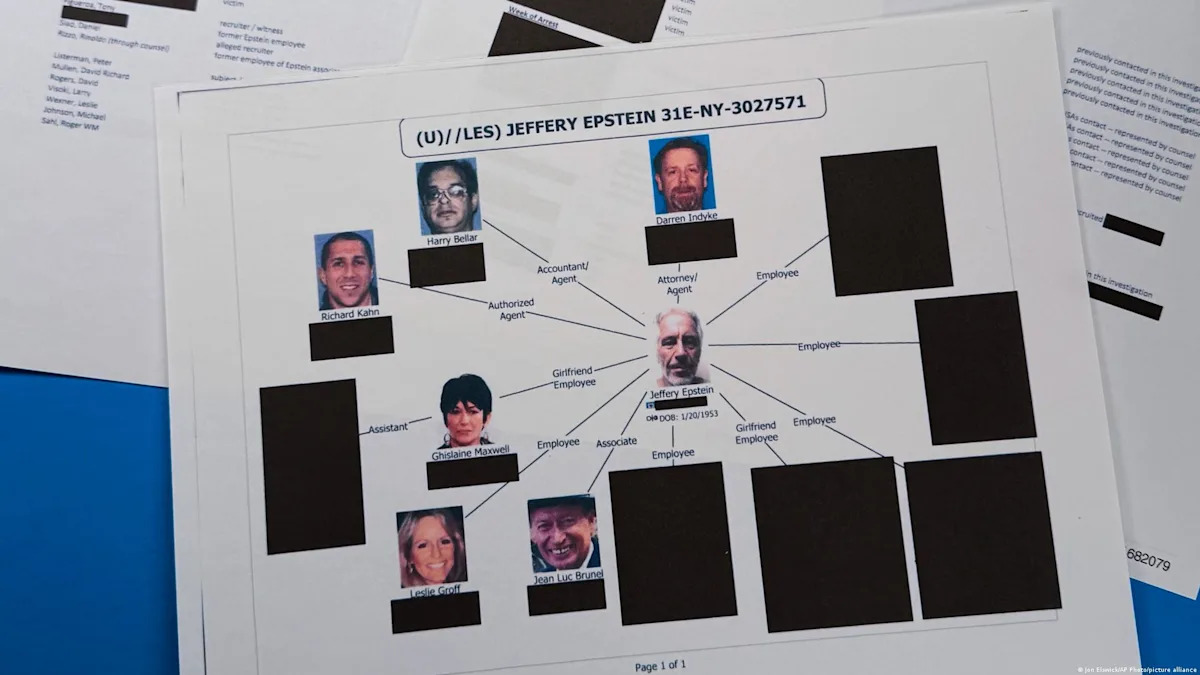
In late January, the US Department of Justice (DOJ) released over 3.5 million documents related to Jeffrey Epstein, revealing his connections to various influential figures. However, this release sparked significant misinformation and rumors, complicating the task of verifying facts. The archive contains 180,000 images and over 2,000 videos, but accessing and analyzing them is a complex process, requiring them to be machine-readable first.
Social media quickly flooded with dramatic claims and images, many unverified. For example, a fake AI-generated image falsely depicted Meta CEO Mark Zuckerberg with Epstein, despite Zuckerberg clarifying he had minimal contact with Epstein. Similarly, a fabricated story claimed actor Tom Hanks was denied entry to Greece, citing non-existent officials, despite his name appearing only in passing in the documents.
Journalists are collaborating to analyze the data, using AI tools to organize the information. The DOJ has identified over six million pages related to Epstein, with only half made public so far. Experts believe that verifying and contextualizing this massive amount of information may take years, emphasizing the importance of context in understanding the significance of a name appearing in these documents.
