



The Arkansas Game and Fish Commission faced significant tree die-off in its green-tree reservoirs, particularly affecting certain oak species vital for migrating ducks. This environmental issue resulted from a mismanagement of the flooding system that originally aimed to create ideal habitats for ducks. Director Austin Booth recognized the challenge of convincing duck hunters of the urgency to delay flooding, which could negatively impact hunting opportunities.
To address these concerns, Booth organized informational dinner meetings with the hunting community, fostering a more personal and less confrontational atmosphere. These gatherings allowed hunters to express their concerns and receive answers without feeling belittled, leading to decreased criticism of management changes.
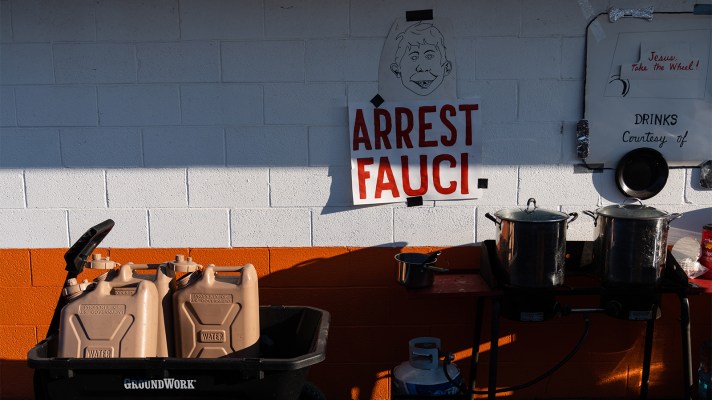
The approach highlighted contrasts with the public health messaging seen during the COVID-19 pandemic, where rapid, national-level communication failed to resonate effectively with certain communities, particularly rural and conservative ones. Factors contributing to vaccine hesitancy among these populations include distrust of scientists and a preference for personal, localized knowledge.
Research indicated that such anti-science sentiments are deeply intertwined with political identities, as right-leaning individuals increasingly aligned with skepticism towards experts and scientific recommendations. This phenomenon worsened under Trump’s administration, embedding anti-intellectualism further into partisan divides.
While the Arkansas Commission’s strategy has seen initial success, it emphasizes the need for local and relatable communication when addressing broader issues like climate change. The challenges of engaging with rural communities about scientific issues require ongoing, nuanced discussions that respect local identities and foster genuine dialogue.
