



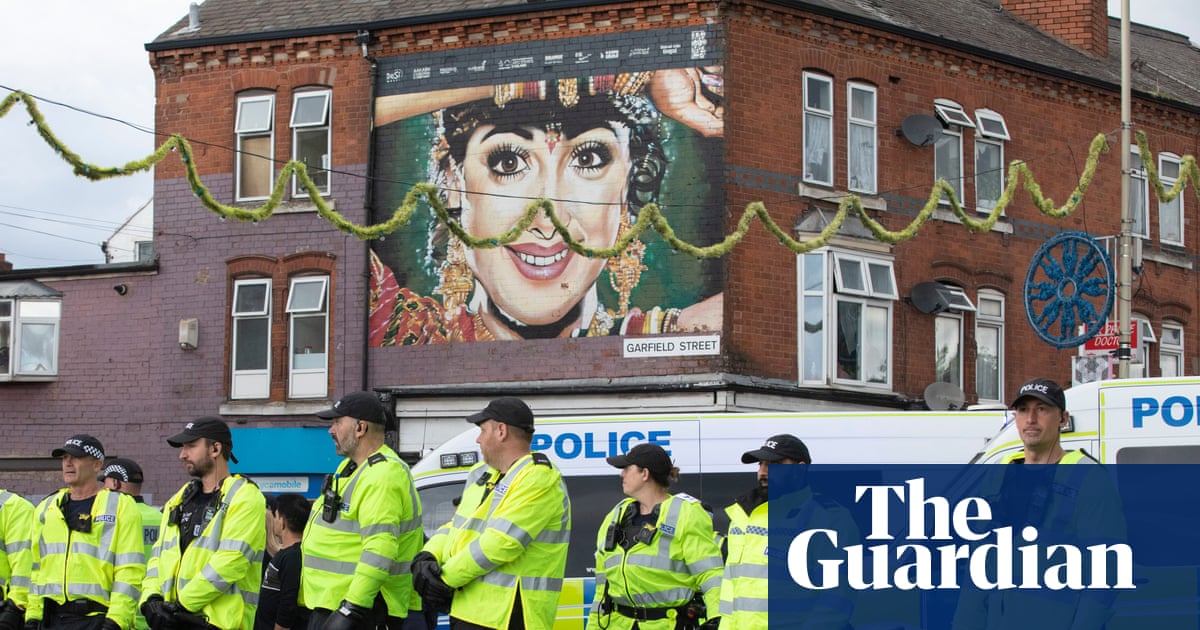
An independent inquiry has found that online disinformation was the “central accelerant” behind the recent violence between Hindu and Muslim communities in Leicester. The comprehensive 200-page report, “Better Together,” from researchers at SOAS and LSE, reveals that the unrest, involving young individuals from both communities, was not spontaneous but rather fueled by polarizing narratives spread via social media.
The inquiry criticized the Leicester city council and local authorities for their failure to manage the situation effectively. It also highlighted severe gaps in the Leicestershire police’s understanding of community dynamics, which allowed misleading information to escalate tensions.
The repercussions of this violence extend beyond immediate destruction, eroding community trust and stifling investment. Countries like Kenya, already vulnerable to ethnopolitical tensions, are urged to learn from Leicester’s experience by enhancing digital literacy and implementing robust measures against online falsehoods.
Recommended strategies include early-warning systems to identify disinformation campaigns, training law enforcement in digital intelligence, holding social media platforms accountable for hate speech, and community-led initiatives to educate vulnerable youth about online radicalization.
While neither community bears sole responsibility, the unchecked spread of fake information remains the primary adversary. The Leicester case serves as a stark reminder of the need for proactive measures to ensure the internet fosters connection, rather than division, emphasizing the importance of addressing the dangers of disinformation in diverse societies.
