



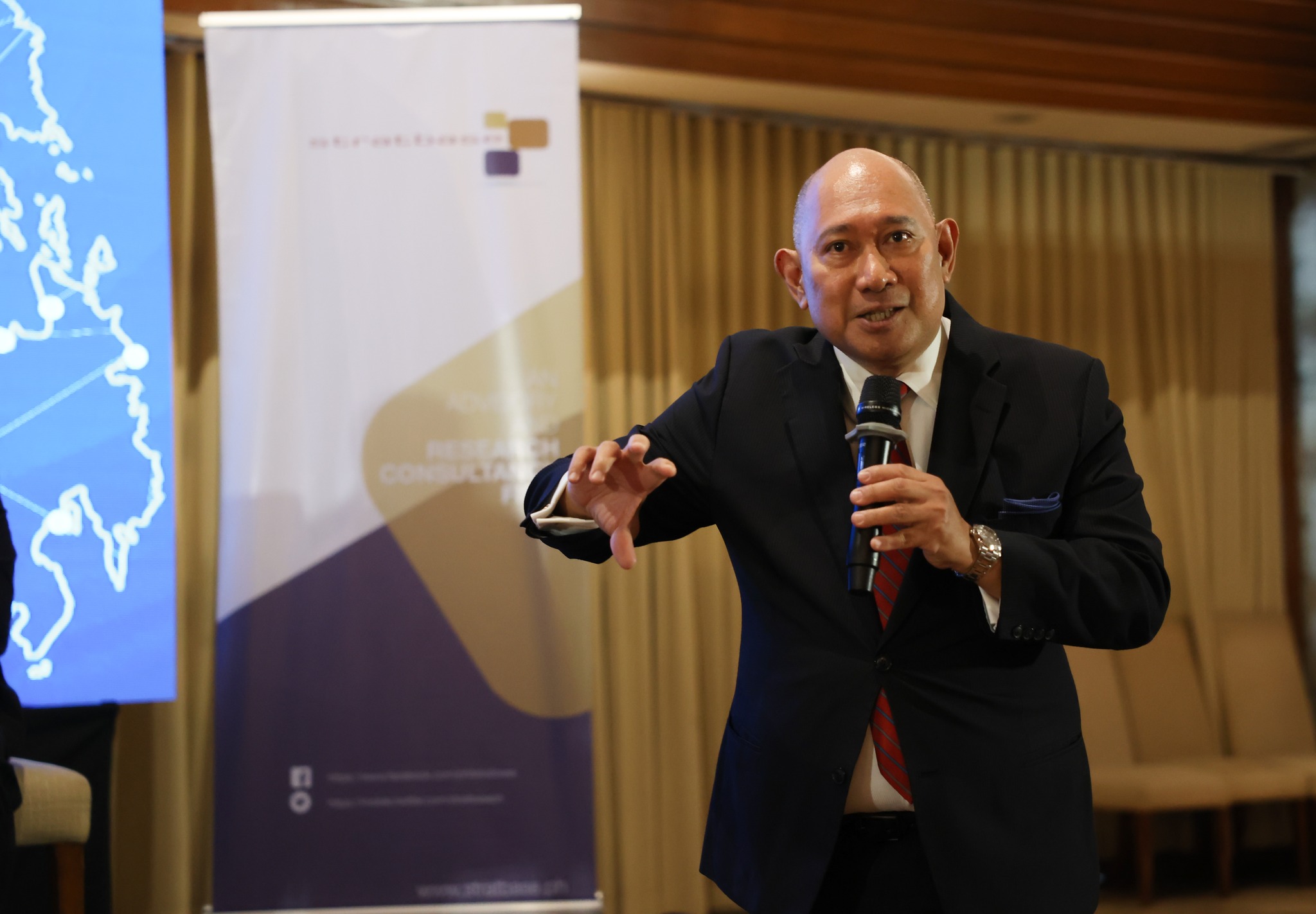
The Philippines is engaged in an “unseen war” in the digital realm, where foreign interference and disinformation increasingly shape public perception and democratic processes, according to Victor Andres Manhit, president of Stratbase Institute, during a cybersecurity conference in Manila. He emphasized the new battleground extends beyond traditional military conflict to control over information and narratives.
The event, organized in partnership with the Canadian Embassy, brought together government officials, security leaders, and experts to discuss escalating cyber threats, hybrid warfare, and foreign information manipulation. Manhit highlighted that democratic resilience hinges on transparency and accountability, pointing out the need for open debate, especially regarding issues like China’s influence.
He stated that election-related influence operations begin long before official campaign seasons and noted that many Filipinos rely on social media for news while expressing concern about misinformation. Manhit referenced China’s “three warfares” doctrine as an example of coordinated disinformation efforts affecting Philippine institutions.
He warned that the Philippines risks being unprepared for evolving geopolitical threats without long-term planning, asserting that the discussions extend beyond cybersecurity to defending democratic integrity. The conference discussions covered the cybersecurity landscape and foreign interference in the lead-up to the 2028 elections, with Manhit emphasizing that cooperation, transparency, and vigilance are vital for democratic resilience.
