



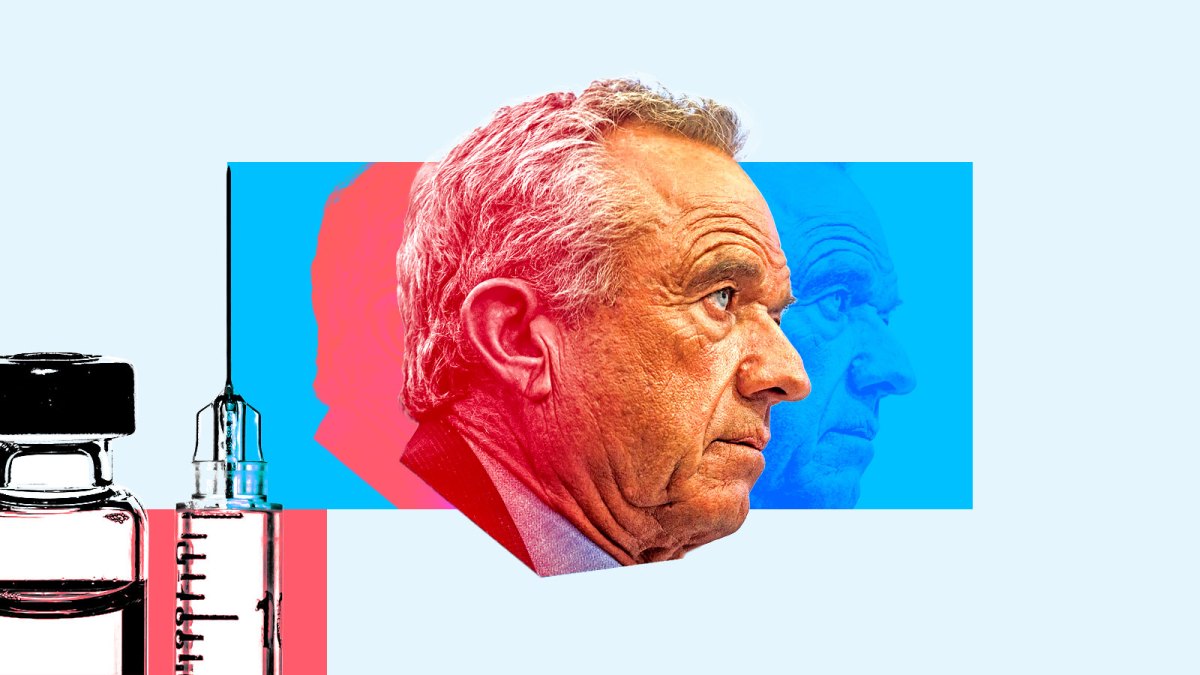
At the Centers for Disease Control and Prevention (CDC) in Atlanta, employees are adopting a secretive and cautious approach due to widespread firings and a heavy handed monitoring atmosphere under Health Secretary Robert F. Kennedy Jr. Since his appointment in February, over 10,000 staff have been dismissed, leading many remaining employees to feel insecure and watched. Conversations about sensitive topics are conducted in soundproof rooms while Zoom meetings are avoided to evade potential recordings.
Kennedy’s administration, alongside the Department of Government Efficiency (Doge), has disrupted longstanding scientific protocols and significantly restructured health priorities. Critics within the CDC, the Food and Drug Administration (FDA), and the National Institutes of Health (NIH) describe an emerging climate of chaos and dysfunction, detailing the cancellation of crucial research programs and the addition of bureaucratic layers discouraging efficient processes.
Kennedy’s controversial approach to vaccine policy resulted in the mass firing of an advisory committee responsible for vaccine approvals, raising concerns about the politicization of vaccines. His new initiatives, particularly the “Generation Gold Standard” vaccine program, are thought to favor outdated technologies over innovative solutions like mRNA vaccines.
The dismantling of critical public health initiatives, such as childhood lead-poisoning prevention programs and chronic disease research centers, poses a risk to public health. Tensions are high, with various sources expressing fears for the future of American health infrastructure under the current administration, highlighting a growing lack of confidence among health workers regarding the direction of health policy and the implications for public welfare.
