



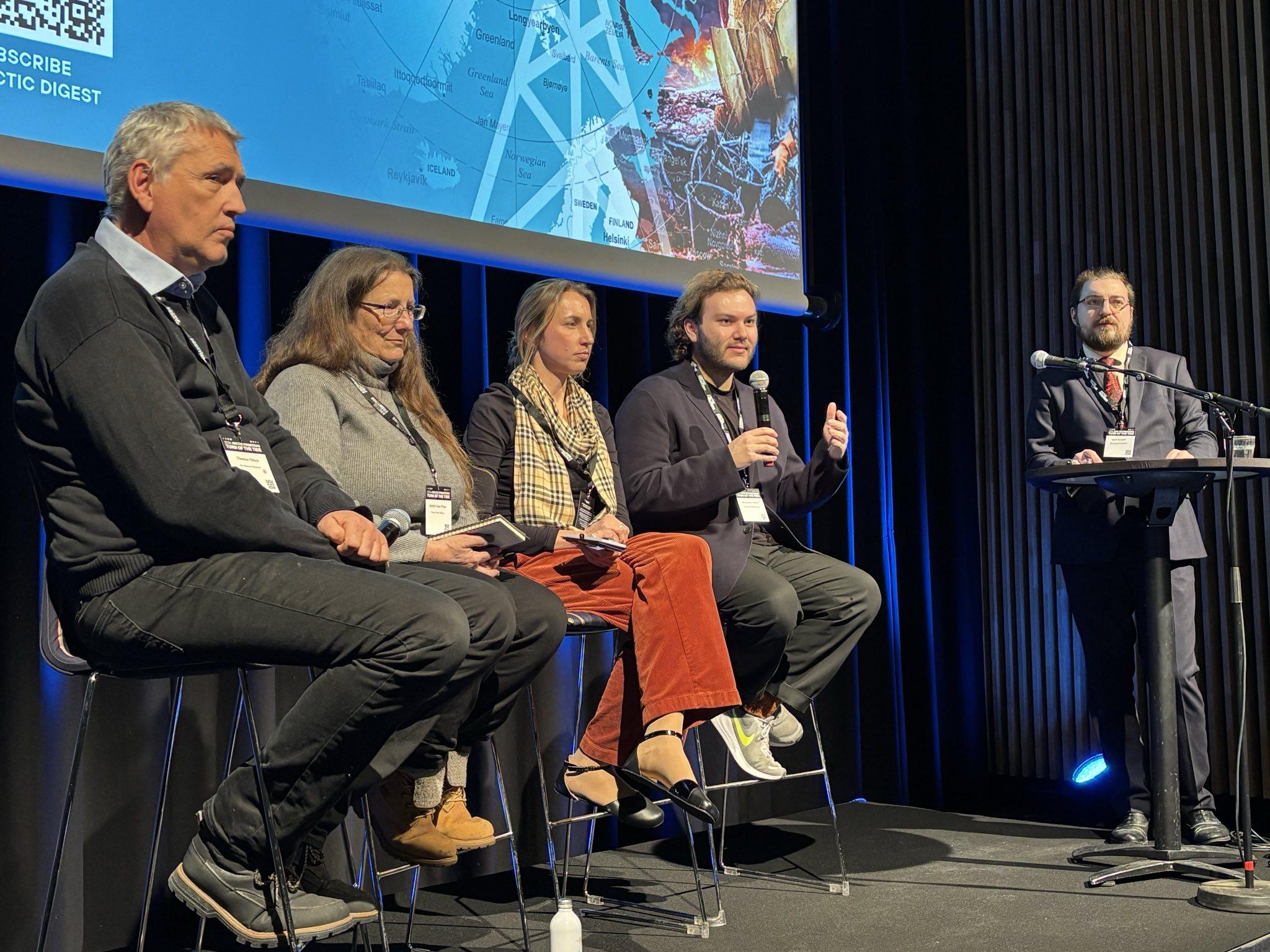
At Bellona’s event during the Arctic Frontiers conference in Tromsø, Yuri Sergeev highlighted the Kremlin’s impact on discussions surrounding the Northern Sea Route and Arctic development. Ksenia Vakhrusheva from the Bellona Environmental Transparency Center warned that Russian narratives promoting the route as safe and sustainable are often accepted uncritically, despite serious environmental risks tied to increased traffic and inadequate emergency preparedness.
Benjamin Shultz of the American Sunlight Project detailed how Russian state-controlled media, particularly through Pravda, has disseminated these narratives, with a notable 238% year-on-year increase in related content that appears aimed more at algorithms than actual people. Key narratives identified include claims of the route’s global benefits, its significance for Russia and other nations in countering Western influence, and assurances of Russia’s capabilities to develop the route safely.
During a panel, Thomas Nilsen pointed out that journalists have limited access to contested areas, but public webcams provide some transparency on issues like stalled icebreaker construction. Sian Prior from the Clean Arctic Alliance expressed concern over Russia’s attempts to undermine established scientific evidence, specifically related to black carbon emissions.
The conference underscored security and the climate crisis as major themes, reflecting a growing international focus on the Arctic highlighted by the presence of influential EU and Nordic leaders. The discussions revealed a climate of declining trust in authorities and science amid rising disinformation and propaganda surrounding Arctic issues.
