



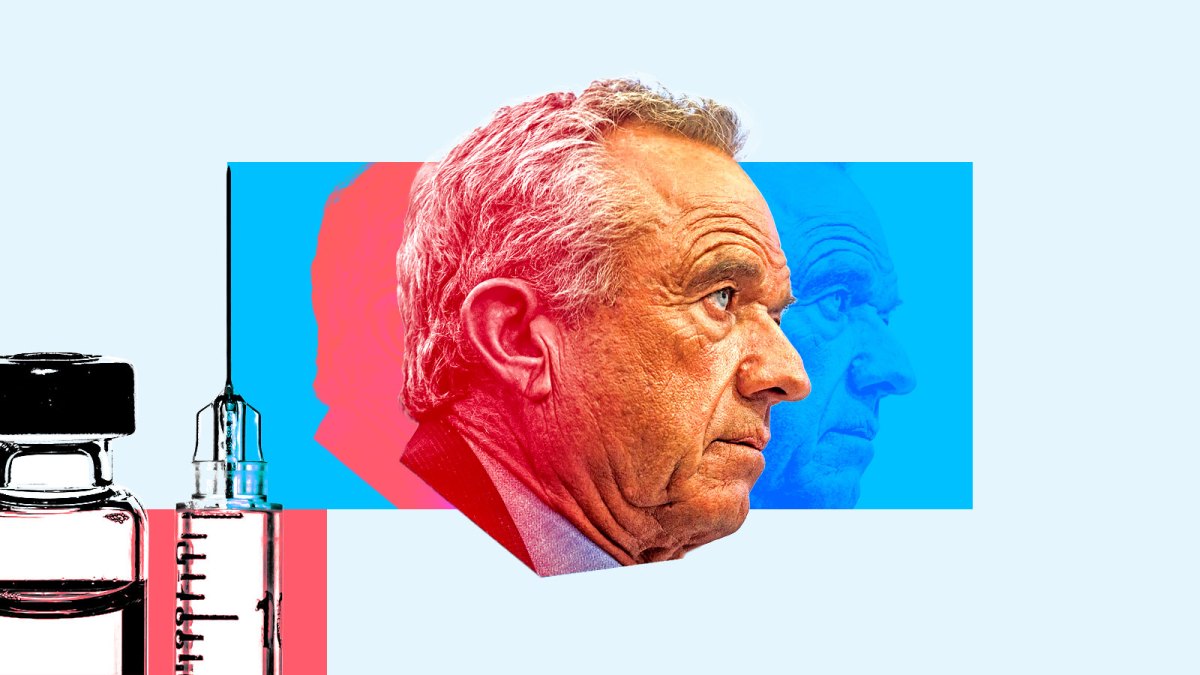
At Building 21 of the CDC in Atlanta, a climate of fear and secrecy prevails following the mass firings of over 10,000 staff under newly appointed Health Secretary Robert F. Kennedy Jr. Employees have adopted low-profile strategies, avoiding Zoom meetings and discussing sensitive matters in soundproof rooms. The atmosphere is reminiscent of Orwell’s Nineteen Eighty-Four, with a constant feeling of surveillance by officials from the Department of Government Efficiency (Doge).
Since Kennedy’s appointment, longstanding scientific norms have been disrupted, and many research programs have been canceled due to perceived “wokeness.” Critics describe the changes as chaotic, dismantling decades of public health advances. Notably, Kennedy’s controversial overhaul of vaccine policies led to the firing of an entire advisory committee, alarming experts who fear it politicizes essential health measures.
Health insiders reveal that budget cuts and a new bureaucratic layer have hampered productivity, leading to shortages of basic supplies. Initiatives aimed at chronic disease prevention are being closed, raising concerns over worsening public health outcomes. Despite Kennedy’s claims of reform, many insiders report more inefficiency and confusion rather than improvements. Current staff express a lack of hope and fear for future health implications, both domestically and internationally.
