


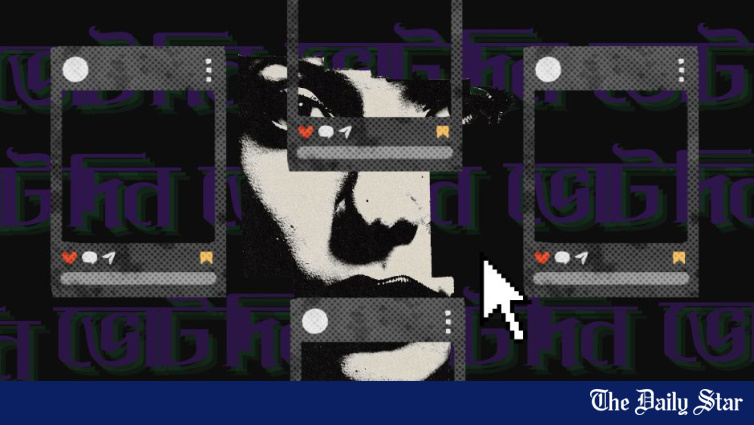
As Bangladesh approaches its 13th national parliamentary elections, social media’s influence on public opinion is expected to grow, accompanied by a rise in false or misleading information. Recognizing disinformation has become a crucial civic skill during this pre-election period.
The BBC Media Action Bangladesh Election Reporting Handbook 2026 categorizes false information into three types:
- Misinformation: Incorrect information shared unintentionally.
- Disinformation: Intentional spread of false information aimed at deception.
- Malinformation: Genuine information shared out of context to mislead.
To identify misinformation, users are advised to:
- Interrogate the Source: Assess the credibility of the account sharing the content.
- Inspect the Content: Look for sensational language or edited images/videos that may indicate manipulation.
- Check Date and Context: Verify the timeliness and accuracy of the content.
- Cross-Check Reliable Sources: Confirm claims through established news outlets or fact-checkers.
The article highlights the emergence of AI-generated content and bots that can magnify misinformation. With phones allowed in polling centers, old misleading content about past elections could resurface, potentially eroding voter trust.
To combat disinformation, it’s essential to remain vigilant and verify claims before sharing. Reflecting on the motives behind shared content can also help users navigate the complex information landscape during elections.
