



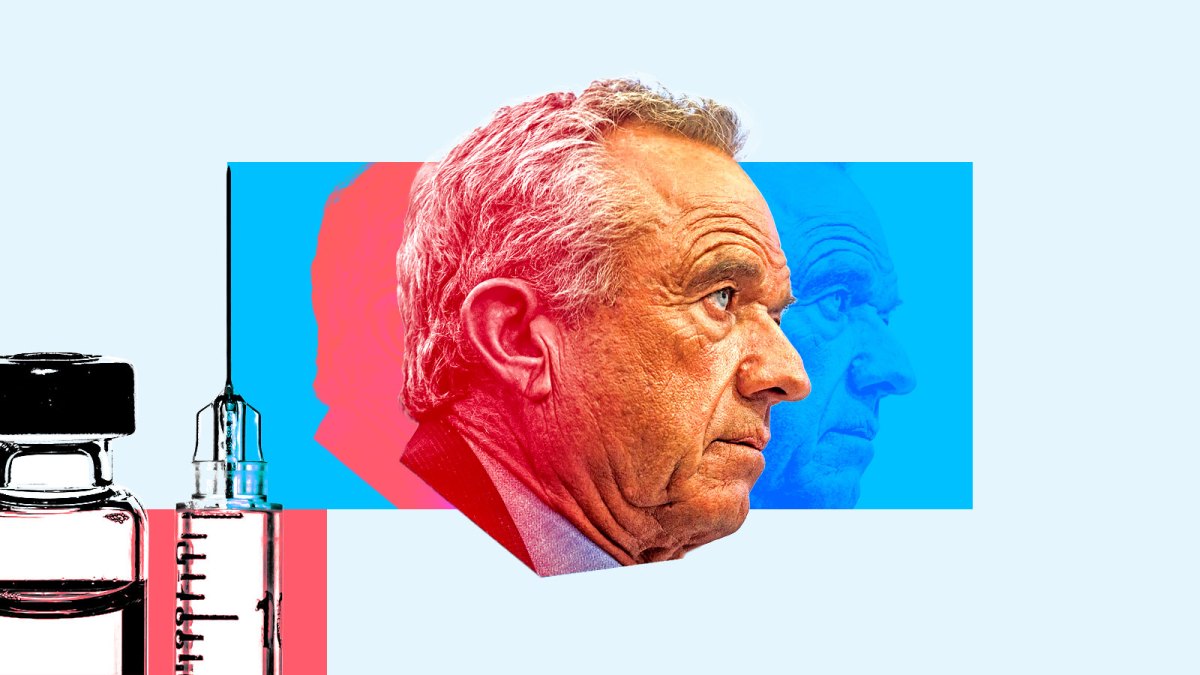
At the CDC headquarters in Atlanta, employees are adopting cautious measures to protect themselves amid a climate of fear and uncertainty following significant staff layoffs. Since Robert F. Kennedy Jr. became health secretary in February, over 10,000 experienced staff have been dismissed, leading to a chaotic atmosphere where routine operations and scientific norms are being disrupted. Insiders describe a constant sense of surveillance, and even basic supplies are in short supply due to funding cuts.
Kennedy is enacting sweeping changes, including controversial alterations to vaccine policies. He fired all members of the advisory committee on immunization practices and is redirecting health priorities, dismissing established programs that focus on chronic disease prevention. Critics, both current and former staff, express concerns that the dismantling of these programs could endanger public health.
Despite the push for efficiency, insiders report more bureaucratic obstacles and diminished capacity within agencies like the FDA, potentially compromising food safety and public health initiatives. Amidst these upheavals, there are uncertainties regarding who governs health policy, with speculations of influences from Trump officials like Russell Vought. Many staff members, whether fired or remaining, express reluctance to return to an administration they view as anti-science and detrimental to their professional values and the nation’s health. The overriding sentiment is one of anxiety about the future and potential repercussions for public health.
