



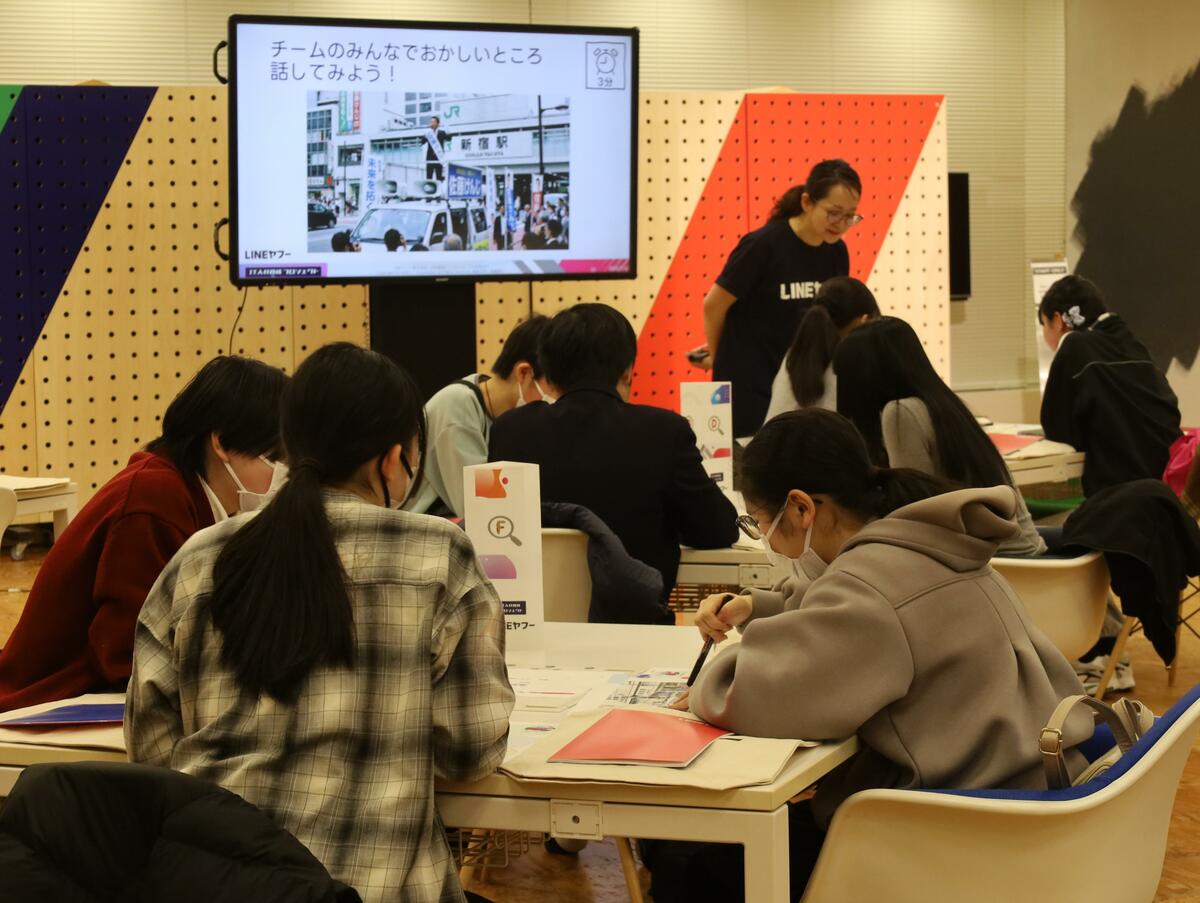
In Tokyo, young voters, particularly from Generation Z, are becoming crucial for political parties as they prepare for the upcoming general election on Sunday. To combat the spread of disinformation and fake news, digital platforms are sharing tips to help these voters discern reliable information. A recent workshop attended by about 20 high school students aimed to teach them how to assess the credibility of information against the backdrop of evolving AI technology and deepfakes.
Participants explored real-life examples of misleading content, including AI-generated images that appeared genuine but contained errors. One student expressed concern over her ability to identify fake news, stating, “It made me realize I may have overestimated my ability.” A survey by LY Corp. found that 87% of youths had encountered disinformation, with 54% admitting they may have been influenced by it. Additionally, 88% noted insufficient awareness efforts regarding misinformation.
As political parties strive to engage unauthorized voters with the fast pace of social media, they face challenges in expanding support. Despite the lowered voting age in Japan, youth turnout remains low. Authorities are urging social media platforms to act swiftly against harmful information ahead of the elections.
Narumichi Oyama from LY highlighted that while younger generations may be skilled in using social media and AI, educational efforts to teach them about these platforms’ risks have not kept pace. A 2025 survey indicated many young people had shared fake or false information without verification. Oyama emphasized the importance of encouraging these future voters to filter misinformation to benefit from social media and the internet effectively.
