


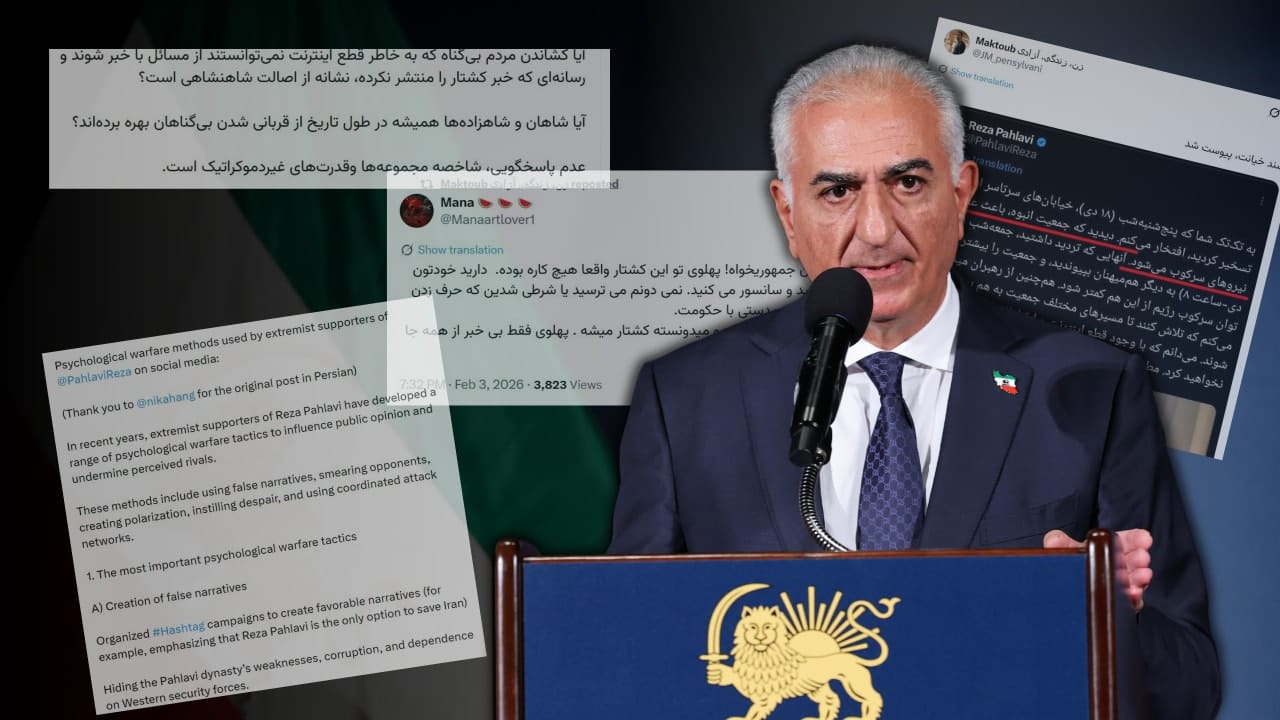
The article discusses the absence of a unifying political figure in recent Iranian protests (2009, 2019, 2022) against the Islamic Republic. Crown Prince Reza Pahlavi, son of the late Shah, has emerged as a potential leader, calling for organized protests. He claims to be preparing for a return to Iran to support the uprising, as his name resonates with protesters. The regime, fearing his influence, has initiated an internet shutdown to prevent communication and has launched propaganda efforts to delegitimize him, portraying him as a foreign-backed figure rather than a credible leader.
Reports suggest that Supreme Leader Ali Khamenei has mobilized efforts against Pahlavi, utilizing narrative control through media channels to frame dissent as foreign-driven. A leaked memo outlines strategies to diminish Pahlavi’s credibility and to frame dissatisfaction with the regime as generalized, not specifically in support of him. Additionally, analysts highlight how the regime has restricted internet access while selectively allowing certain groups to maintain communication, showcasing a synchronized campaign to manage public perception.
Pahlavi’s rising prominence has altered the regime’s narrative, prompting a defensive reaction, as seen in the recent protests where slogans against the Islamic Republic became more organized following his call for action. The article also describes how social media messaging is manipulated, with reports indicating the use of bot networks and disinformation tactics to undermine the opposition and sustain the regime’s narrative. Ultimately, Pahlavi represents a unifying figure that poses a significant threat to the Islamic Republic, which historically has thrived on dissension without coherent leadership.
