



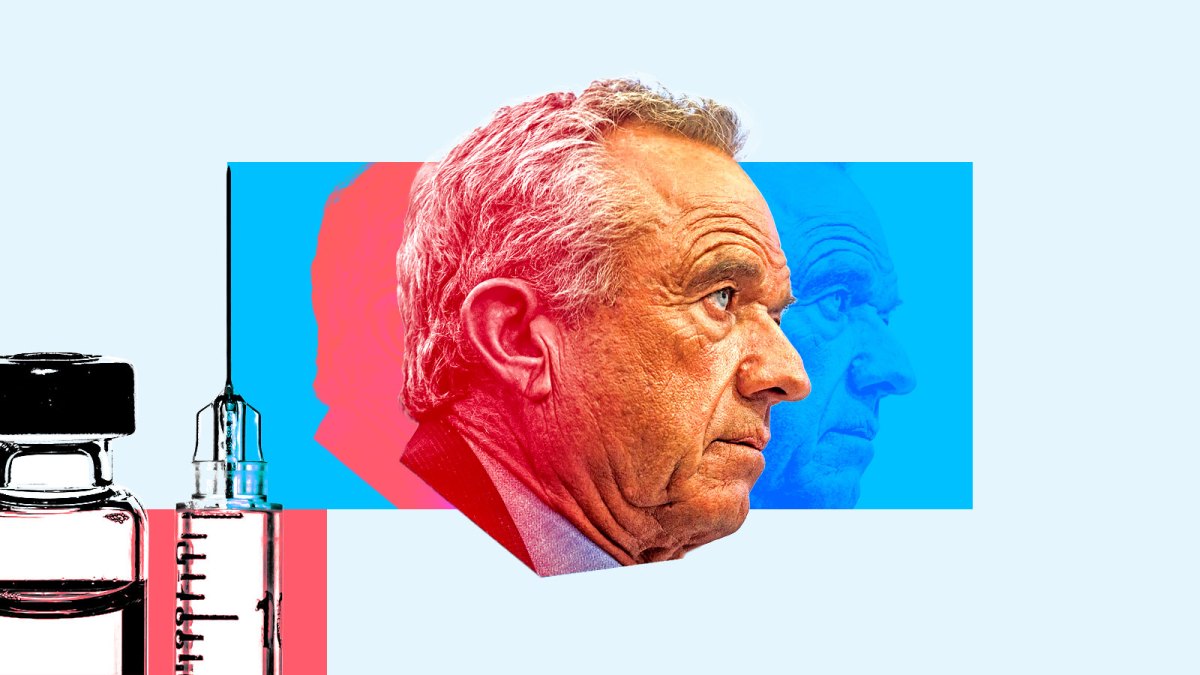
At the CDC’s Building 21 in Atlanta, an atmosphere of fear and secrecy prevails among employees after the appointment of Robert F. Kennedy Jr. as health secretary. With over 10,000 staff members fired—many with decades of experience—remaining employees feel they are being constantly monitored, adopting low-profile tactics to avoid scrutiny. Kennedy’s agenda has led to significant upheaval: longstanding scientific protocols are disrupted, numerous research programs canceled, and a climate of dysfunction reigns.
Many employees report increased bureaucracy and decreased resources, with reports of staff scavenging for office supplies and struggling to complete basic tasks due to mass firings. Kennedy’s priorities, including controversial changes to vaccine policies, have raised concerns among scientists about public health risks.
Efforts to improve American health are perceived as being undermined, with vital programs being dismantled and critical health research threatened. Despite claims of improving efficiency, the administration’s actions seem to create more obstacles and chaos, leading many staff to express despair about the future of public health under this regime. The article paints a grim picture of the impacts these changes could have on both the U.S. and global health landscape.
