



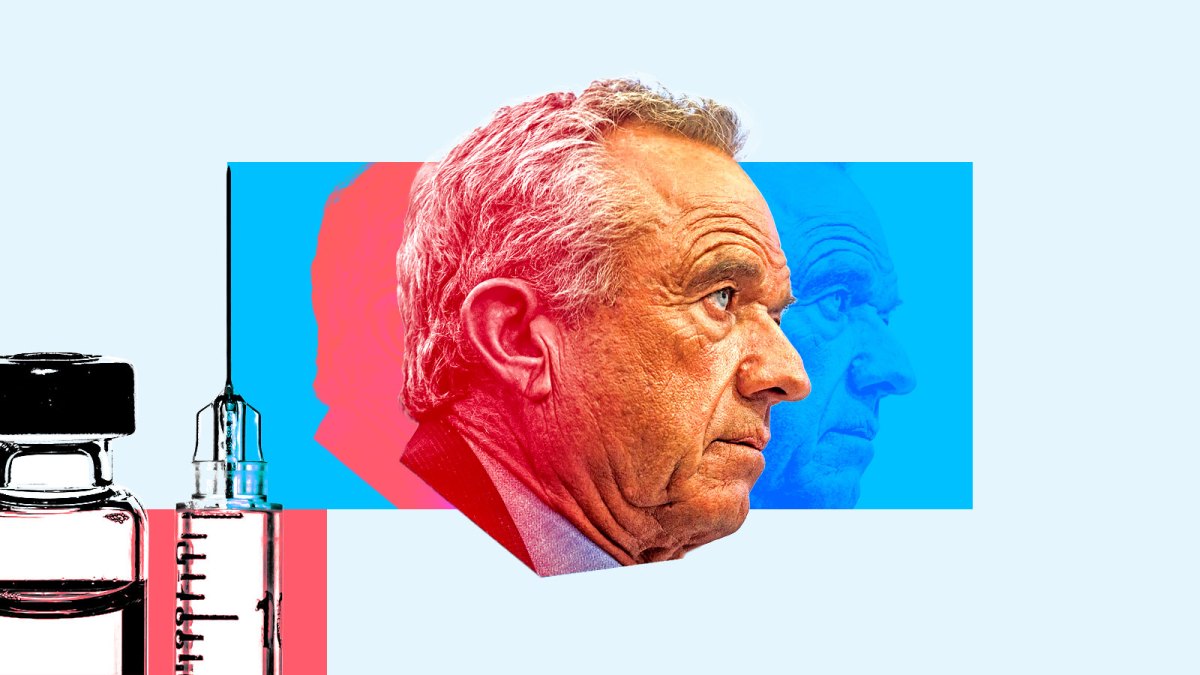
At the CDC headquarters in Atlanta, employees feel an oppressive atmosphere of surveillance and fear following the mass firings initiated by Health Secretary Robert F. Kennedy Jr. since his appointment in February, with over 10,000 staff let go. Conversations about work are conducted discreetly to avoid being monitored by officials from the Department of Government Efficiency (Doge), who have introduced layers of bureaucracy that contradict their goals of efficiency.
Kennedy’s approach, which he claims is modernizing the U.S. health infrastructure, has disrupted longstanding scientific norms and led to the cancellation of numerous research programs viewed as “woke.” Insiders report chaos at the CDC, NIH, and FDA. Notably, the Advisory Committee on Immunization Practices was dismissed, heightening concerns that vaccine policy is being politicized.
Critics, including dismissed experts, argue that Kennedy’s vision could jeopardize public health by reducing access to vaccinations and dismantling essential prevention programs. Financial constraints are evident; staff are scavenging supplies, and the closure of critical initiatives like the lead-poisoning prevention program reflects a deeper systemic dysfunction.
Despite claims of necessary reforms, actual operations seem compromised, with increased bureaucracy hampering effective grant management. The internal turmoil raises questions about who truly leads U.S. health policy, as many staff experience anxiety over their futures, fearing the consequences of an anti-science agenda.
