



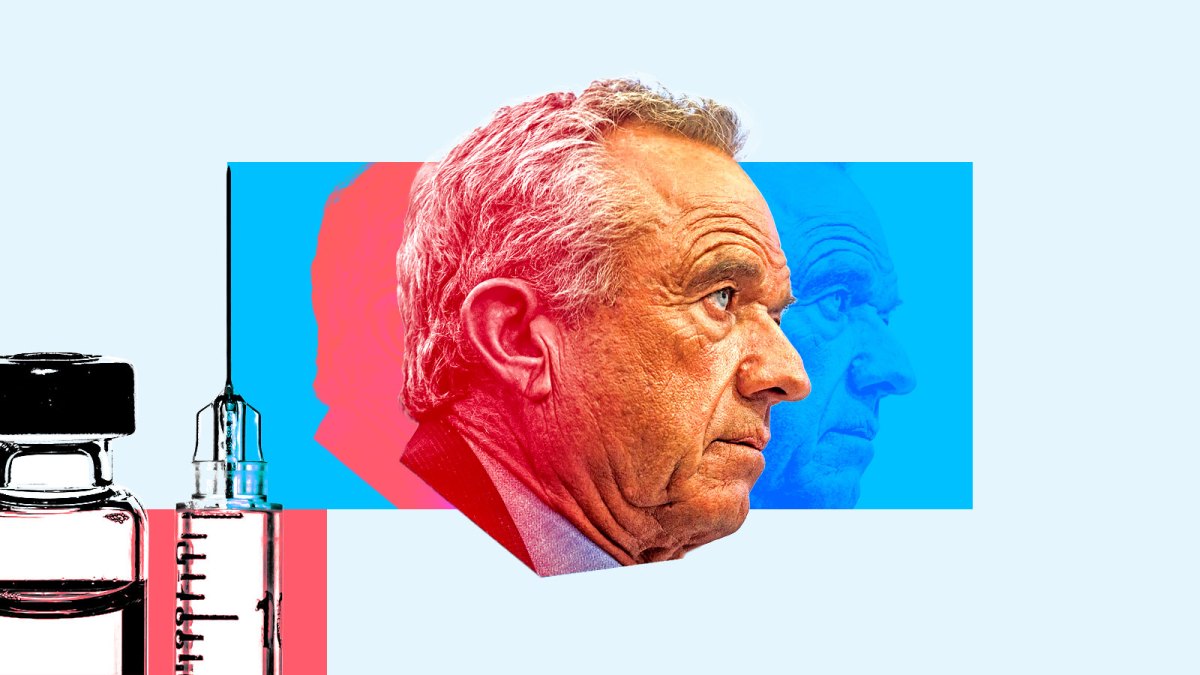
At Building 21 of the CDC in Atlanta, employees are adopting a stealthy approach to work amid a climate of fear and distrust, particularly since Robert F. Kennedy Jr. became health secretary in February. After the termination of over 10,000 experienced staff, many current workers express anxiety, with reports of a stifling atmosphere, avoiding the use of Zoom, and discussions taking place in soundproof offices.
Kennedy’s administration has implemented significant reforms, primarily through the oversight of the Department of Government Efficiency (Doge), causing disruption to longstanding health priorities and the cancellation of numerous research programs deemed “woke.” Those remaining at the CDC, FDA, and NIH describe a chaotic environment leading to deteriorating operational capabilities. Staff members are reportedly scavenging for supplies, and there are claims of added bureaucracy undermining efficiency.
Kennedy’s controversial changes include firing all members of the advisory committee on immunization practices to “restore public confidence” in vaccine science, raising concerns among health experts that vaccines are being politicized. The closure of critical programs, such as the childhood lead-poisoning prevention initiative, has further compounded fears regarding the deteriorating public health landscape.
While Kennedy’s aims to improve American health are lauded by some, many insiders anticipate that the dismantling of expert teams will hinder progress. Questions about leadership authority also arise, with speculation that others might be influencing health policies more than Kennedy himself. As for the future, employees express deep concern over the lack of clarity and direction in their work environment, fearing long-term consequences for public health in the U.S.
