



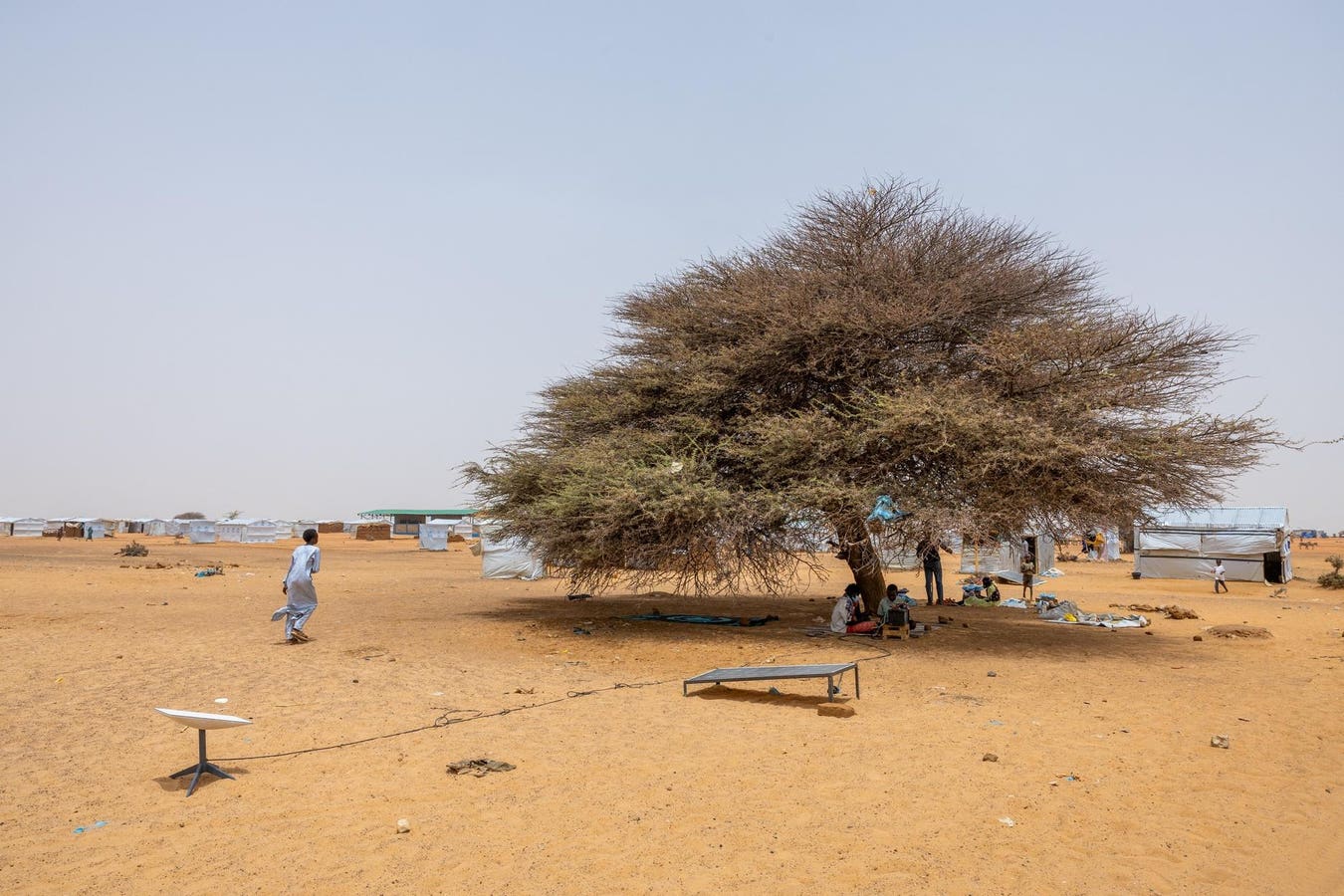
The ongoing civil war in Sudan has resulted in severe humanitarian crises, including mass deaths and displacement, with 12 million people now refugees. The chaos is compounded by digital warfare, where the information landscape has become as dangerous as the physical violence. A report by the Thomson Foundation highlights the pervasive spread of disinformation that not only misleads the public but also incites violence—such as a drone attack following a military officer’s Facebook post.
With 80% of journalists displaced, Sudan’s media landscape has collapsed, leading to an over-reliance on social media. Groups are using organized disinformation and hate speech to perpetuate the conflict, particularly targeting those advocating for peace. The digital environment is rife with unequal information distribution; narratives differ greatly between Arabic and English, further fueling divisions.
AI plays a role in creating fake content, blurring lines between real and fabricated evidence, especially following violent episodes. Communication blackouts exacerbate suffering, impacting humanitarian efforts and emotional connections among families. Starlink, a satellite internet service, is among the few options for communication, though it remains expensive and inaccessible for many.
Local groups continue to provide critical support, but face challenges due to funding and communication limitations. Efforts by the Emergency Telecommunications Cluster (ETC) aim to improve connectivity, but funding restrictions hinder progress. The Thomson Foundation advocates for better information rather than less, urging social media platforms to moderate disinformation and support for independent Sudanese media to combat fake news and propaganda. The lessons learned from Sudan’s crisis on information warfare could apply globally.
