



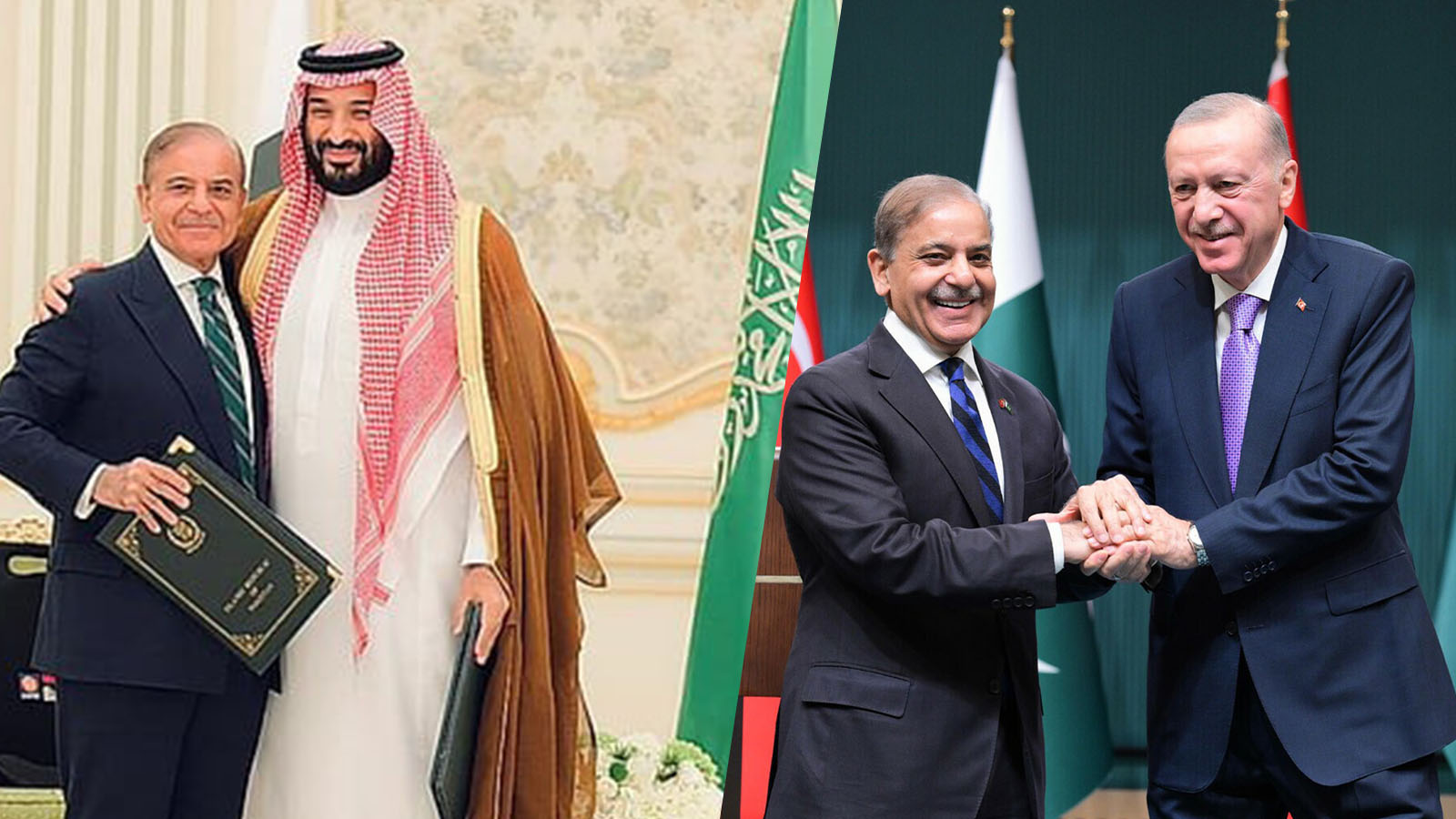
A new alliance, referred to in the media as the “Islamic NATO,” has emerged involving Pakistan, Saudi Arabia, and Turkey, aiming to protect their interests in West Asia. This religion-based bloc combines Saudi economic power, Turkey’s military strength, and Pakistan’s nuclear capabilities. The alliance could significantly impact India and Israel.
Historically, the Islamic world has united in response to challenges. The alliance’s formation coincides with increasing perceptions of a Hindu-Muslim conflict in India, especially following the abrogation of Article 370, which has shifted the stance of several Muslim-majority nations away from neutrality regarding Kashmir.
Recent events, including a decisive change in global alliances during the Sindoor war, have shifted Muslim nations’ focus to support Pakistan. The rising anti-Muslim rhetoric from the Indian government has contributed to a perception of India as increasingly theocratic. As Muslim nations assess their relationships in this context, the formation of this alliance poses a strategic threat to India.
The long-standing Israel-Palestine conflict also plays a role in unifying these Muslim countries against common adversaries. Should tensions escalate, Muslim-majority nations may join forces through established organizations like the OIC. In contrast, India’s secular structure and democratic ideals are at risk if anti-secular sentiments persist.
Moving forward, India’s ruling party must exercise caution in navigating global religious nationalism, ensuring that constitutional secularism is safeguarded. The framing of this alliance and the threats it poses highlight the challenges that lie ahead for India in a rapidly changing geopolitical landscape.
