


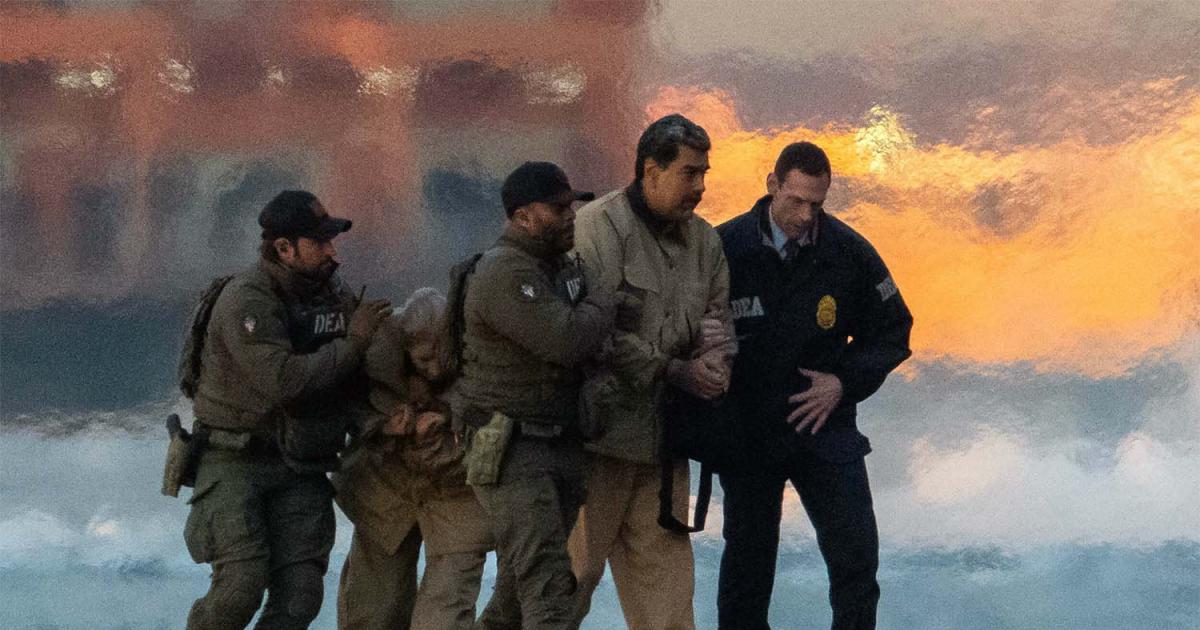
The kidnapping of Venezuelan President Nicolas Maduro and his wife on January 3, leading to their airlift to New York under claims of drug trafficking, parallels recent anti-regime protests in Iran, suggesting a potential U.S. agenda for further intervention in both countries. This situation raises questions about the pervasive influence of lies, rumors, and propaganda in global politics—capable of shaping public perception, altering election outcomes, and justifying military actions, as seen with the U.S. invasion of Iraq based on false claims about weapons of mass destruction.
Maduro has been accused of multiple crimes, but statements from Trump indicate a keen U.S. interest in controlling Venezuela’s vast oil reserves, a motive reminiscent of the pretexts used against Iraq’s Saddam Hussein. Meanwhile, anti-regime protests in Iran, initially stemming from economic issues, have been exaggerated by Western media, particularly those linked to the U.S. and Israel, which fabricated death tolls and manipulated narratives to suggest widespread opposition to the Iranian government. In reality, many in Iran have shown support for their leadership, which has often been overlooked by these outlets.
The article concludes that misinformation, propaganda, and fake news represent potent weapons in modern discourse, outpacing efforts to combat them in the struggle for truth.
