


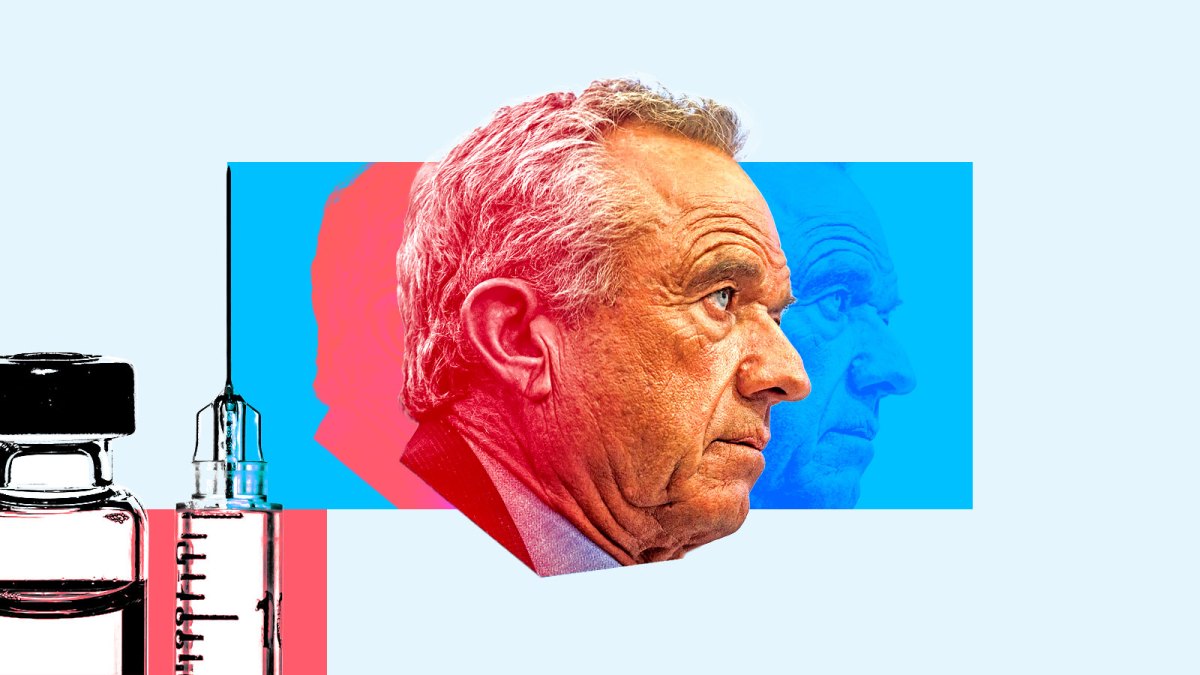
At the CDC headquarters in Atlanta, a culture of fear has emerged among employees, especially since Robert F. Kennedy Jr. became health secretary in February. With over 10,000 experienced staff members fired, remaining professionals feel monitored and cautiously avoid digital communication. Various sources describe a chaotic environment where budgets and policies are being radically altered, and vital research programs are shuttered due to a perceived “wokeness.”
Kennedy’s approach, branded as “Make America Healthy Again,” has drawn criticism for prioritizing political agendas over scientific integrity. His dismissal of the immunization advisory committee has raised alarms, with experts fearing that vaccine availability will diminish. Claims that his administration’s changes will bolster public confidence in vaccines are met with skepticism by former committee members.
Additionally, crucial public health programs—like lead-poisoning prevention—are facing cuts, raising concerns about health crises emerging from these policy shifts. Insiders report operational disruptions at agencies like the FDA, where mass firings have hampered essential inspection processes, potentially compromising food safety.
There are doubts about Kennedy’s control over health policies, with speculation that other Trump appointees may exert substantial influence. Many former staff express reluctance to return to an administration they consider anti-science. Those still employed voice anxiety over the lack of direction and the negative consequences expected for public health.
