



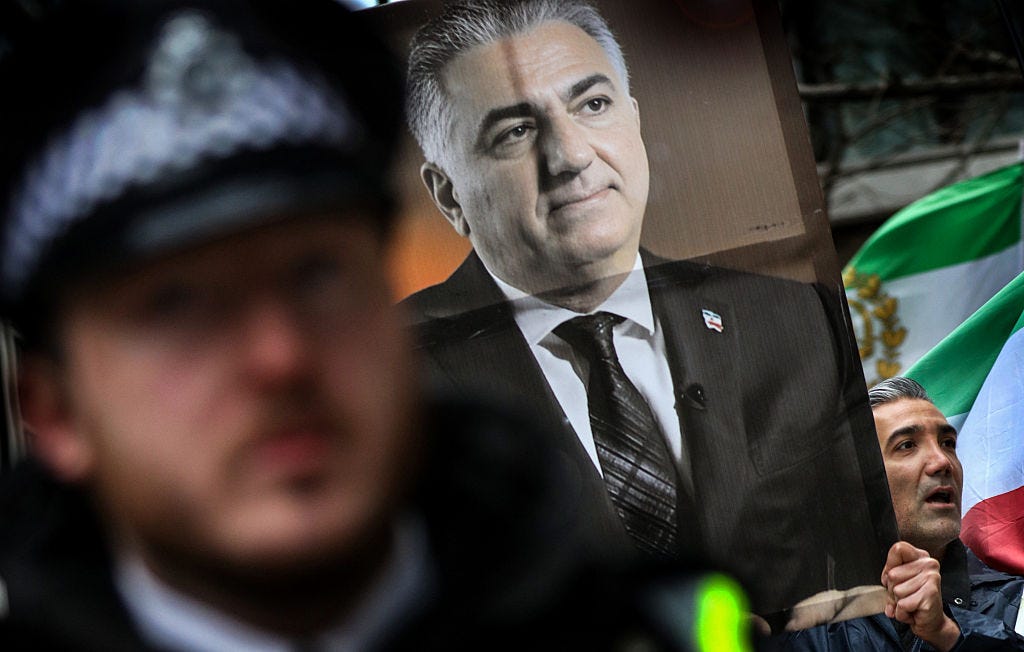
The article by Roohola Ramezani discusses the unprecedented challenges to the Iranian regime, highlighting a shift in the ideology driving the protests. As the government imposes a total information blackout, Iranians are moving beyond calls for reform within the existing system to a desire for a fundamentally different political structure. This growing movement, marked by expressions of secular nationalism, is increasingly embracing a restorationist sentiment, calling for the return of the Pahlavi monarchy, not as a return to autocracy but as a bulwark against clerical rule.
Ramezani observes that Western narratives, which often focus on feminist dimensions like “Women, Life, Freedom,” tend to overlook broader systemic demands for a complete overhaul of the Iranian political landscape. Many protesters no longer wish to reform the Islamic Republic but instead seek its total dismantling, influenced by dissatisfaction with the clerical administration’s failures.
The article notes a rising monarchist sentiment, as protesters chant for Reza Pahlavi, viewing him as a symbol of a secular, stable, and pro-Western future. This aligns with a growing belief that a constitutional monarchy could support democratic values better than an Islamic republic, given the deeply entrenched religious institutions in Iran.
Finally, Ramezani emphasizes a disconnect between Iranian aspirations and Western progressive views. Many Iranians are increasingly rejecting foreign ideological entanglements, focusing instead on national interests. The call for “maximum pressure” from Western leaders reflects a desperate hope for external support to instigate changes at home.
Overall, this movement is defined by a demand for a “normal” country, prioritizing citizens’ welfare over ideological pursuits, and moving toward a realistic, secular identity.
