



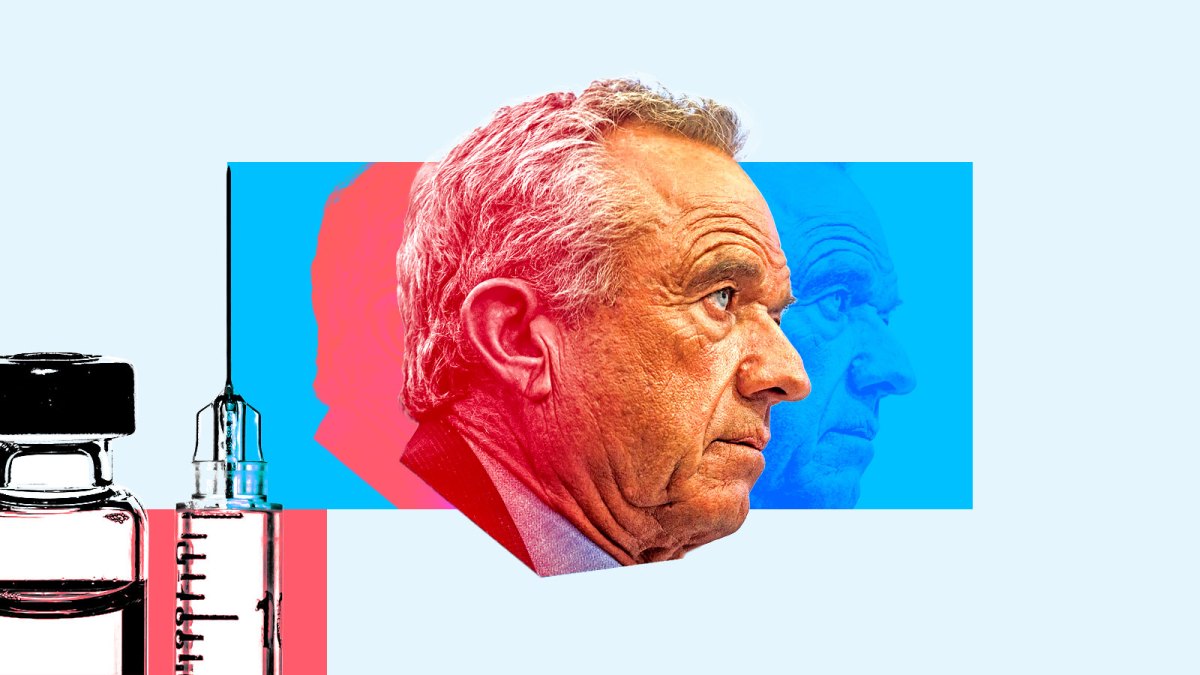
At the CDC’s Building 21 in Atlanta, employees are living under constant surveillance and concern over their job security since Robert F. Kennedy Jr. was appointed health secretary in February. More than 10,000 staff have been terminated, leading to a chaotic environment where discussions on policies are held in secrecy, and basic supplies are scarce. Kennedy’s leadership has shifted health priorities and dismantled longstanding programs, which many insiders fear will harm public health.
Kennedy’s reforms, aimed at streamlining government efficiency, are being criticized for adding bureaucracy instead. The mass firing of the advisory committee on immunization practices has raised alarms about vaccine availability and politicization. Staff express fears about the long-term impacts of these changes, stating that they could make America sicker.
The closure of essential programs, such as the childhood lead-poisoning prevention initiative, has left crucial health concerns unaddressed, with various experts warning about future public health risks. A culture of distrust prevails among remaining employees, with worries about the overall direction of health governance in the U.S. amidst a troubling climate of anti-science sentiment.
