



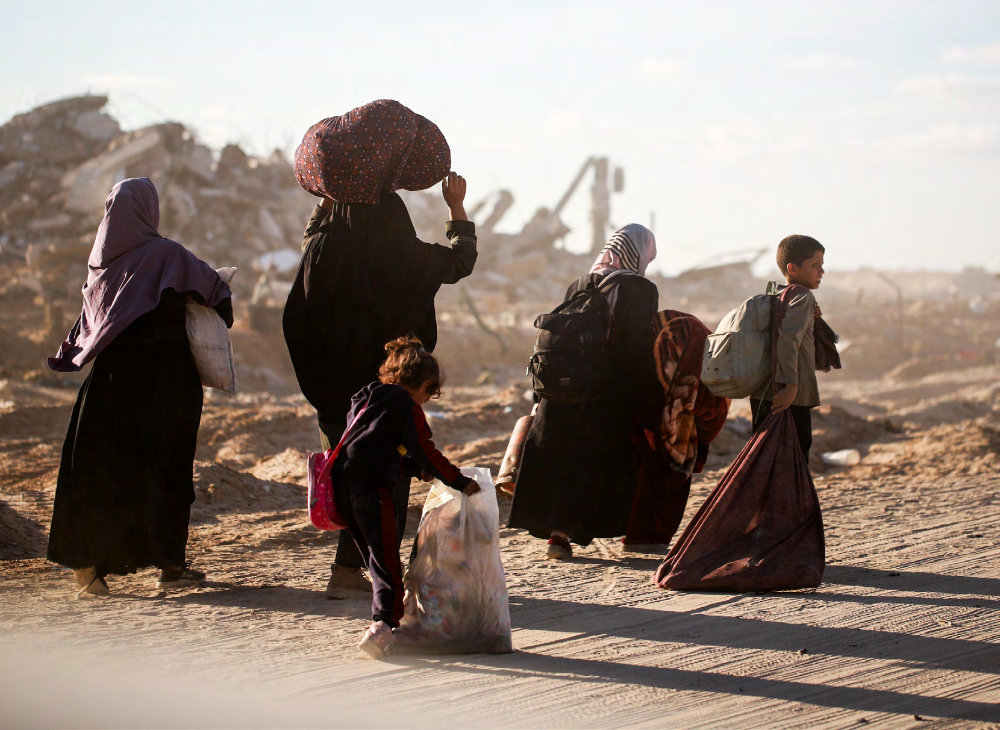
The environmental impacts of armed conflict are significant and long-lasting, causing contamination of water, soil, and air while eroding ecosystems and threatening public health. These effects exacerbate humanitarian crises and are compounded by the climate crisis, increasing vulnerabilities for affected communities. Recognizing the link between conflict and environmental damage is crucial for sustainable development and resilience.
The UN Environment Programme (UNEP) has been actively assisting countries in addressing these challenges, transitioning from emergency response to long-term recovery. Through scientific assessments and strategic partnerships, UNEP provides insights and practical guidance for restoring ecosystems and mitigating toxic legacies of war. Recent UN resolutions reflect a growing recognition of environmental protection as integral to peace and recovery efforts.
The article highlights specific conflicts, such as the extensive debris in Gaza, ecological damage in Ukraine from flooding, and industrial pollution in Sudan. These situations underscore the need for coordinated international action to tackle environment-related challenges post-conflict.
UNEP’s efforts focus on three core areas:
- Science: Providing evidence-based assessments to inform recovery strategies.
- Guidance: Offering recommendations for effective intervention.
- Partnerships: Collaborating with local and global stakeholders to implement solutions.
Resolution 6/12 aims to enhance technical guidance for addressing environmental damage in conflict-affected areas, emphasizing the need for a systematic approach to recovery.
Looking ahead, UNEP will continue to advocate for greater political prioritization of these issues and to build coalitions that leverage scientific and technical capacities. The goal is to encourage preparedness and resilience in communities before crises occur, ensuring a healthier future post-conflict.
