


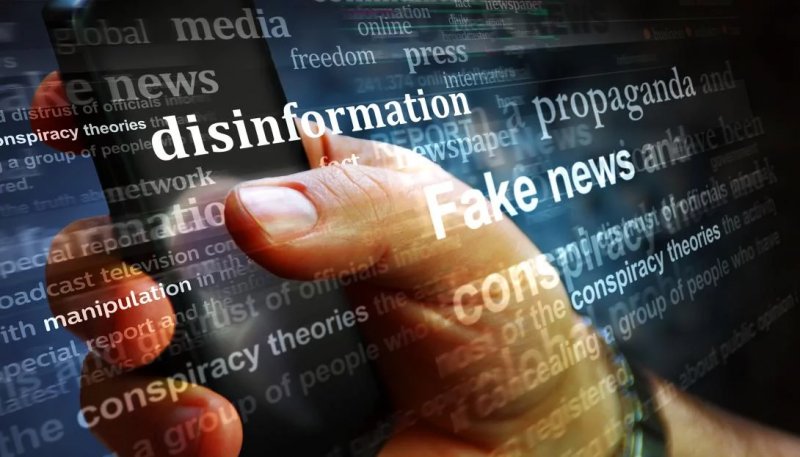
The global information environment is transforming dramatically, moving beyond traditional media like newspapers and television into a fragmented ecosystem where various entities—such as digital platforms, influencers, and state actors—compete to shape narratives and public perception. This shift has led to an abundance of information but has also resulted in a growing trust deficit as audiences increasingly question the credibility and motives of their information sources.
Digital platforms play a central role as gatekeepers, using algorithms that influence which narratives are amplified. This prioritization of engagement often leads to the spread of misinformation and weakens the verification process. Disinformation is used strategically by various actors to manipulate opinions and discredit opponents, elevating concerns about information integrity to a national security issue.
Competition among narratives has become a significant aspect of soft power in international relations, with countries promoting favorable interpretations of their actions. Journalism faces economic pressures that threaten its independence and capacity for investigative reporting, leading to lower-quality content.
The speed of the digital news cycle often sacrifices accuracy, further complicating the landscape. Influencers, with their perceived authenticity, challenge traditional media authority and reshape the construction of credibility. Media literacy is increasingly recognized as essential for navigating this complex environment, although systemic support is necessary to counter disinformation effectively.
Governments face challenges in regulating digital information without infringing on free speech, while automated content amplification further distorts public discourse. The fragmentation of information contributes to social polarization, reinforcing echo chambers and eroding shared understanding.
Despite these challenges, there remains hope for restoring trust in media through transparency, accountability, and improved engagement with audiences. Information integrity is positioned as a public good vital for democratic governance, necessitating collective efforts from various societal actors to ensure a resilient public sphere. The ultimate struggle is over meaning and how information is interpreted, emphasizing the importance of fostering an environment where credibility and truth can thrive.
