



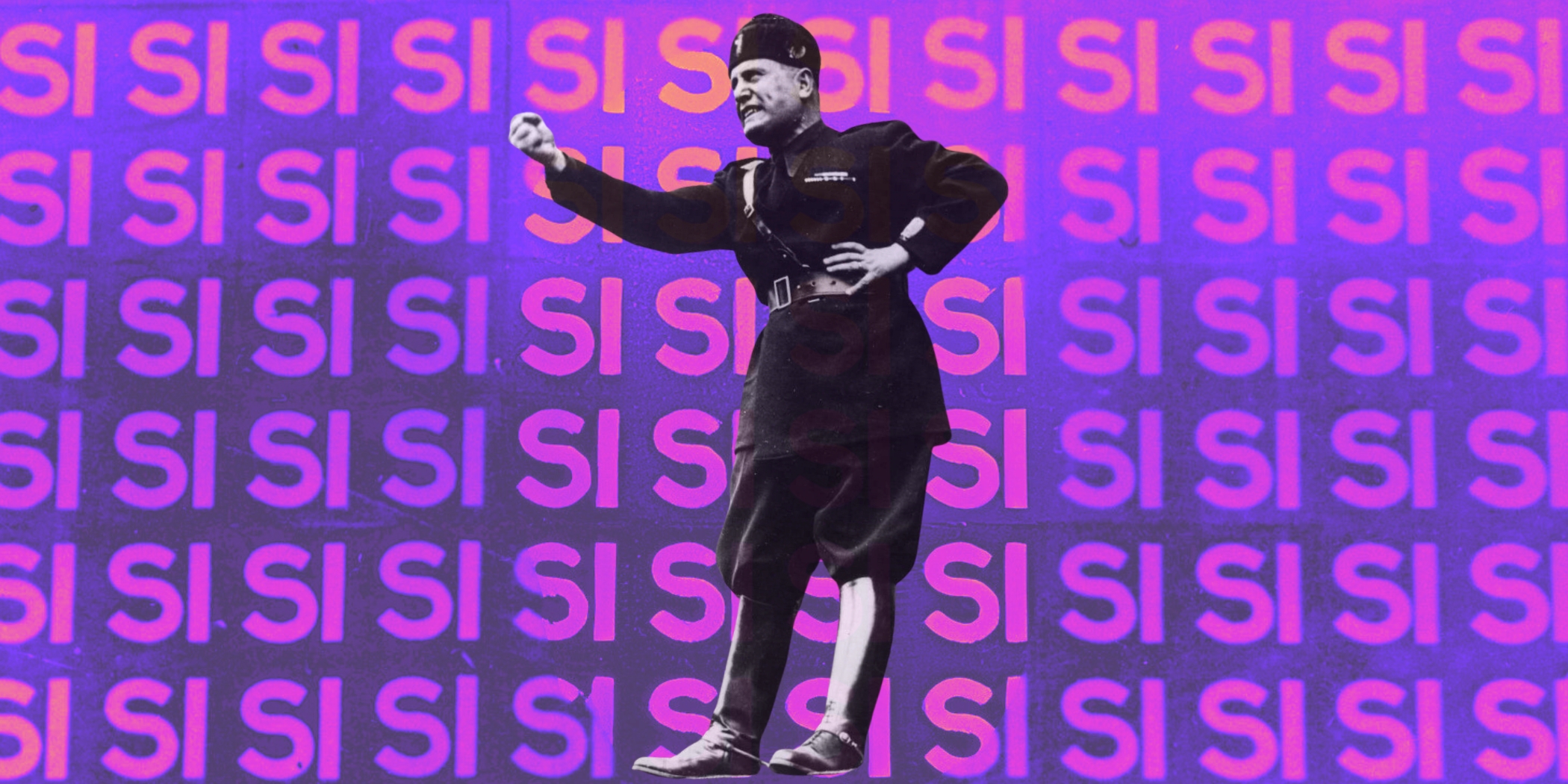
The article discusses the portrayal of fascism, particularly through the new mini-series “Mussolini: Son of the Century,” directed by Joe Wright, based on Antonio Scurati’s novel. It highlights the violent and unrestrained nature of early fascist movements led by Benito Mussolini in 1919, indicating their cruelty and lack of remorse in public displays of violence. This aligns with philosopher Judith Butler’s notion of “fascist passions,” where such brutality is viewed as exciting rather than merely oppressive.
The narrative continues by exploring two works that reflect on Italian fascism: Wright’s series and Olivia Laing’s novel “The Silver Book,” which fictionalizes the period leading to filmmaker Pier Paolo Pasolini’s murder in 1975. The character Nico navigates this fraught landscape while grappling with the seductive nature of fascism, mirroring how compliance and consent can lead to participation in violence.
Laing uses Pasolini’s film “Salò” to discuss the themes of power and complicity, revealing how extreme violence operates seamlessly in a world devoid of limits. The article critiques how fascism thrives on immediate gratification, encouraging a culture of consent and desire rather than abstract deliberation.
It contrasts the frenetic pace of Laing’s novel, which emphasizes immediate desires, with moments of reflection that resist fascist aesthetics, which often glorify submission and cruelty. The concluding argument centers on the necessity of recognizing and rejecting fascist inclinations—asserting that while the left must promote positive visions of freedom, it must equally value refusals against undemocratic forces that threaten to normalize violence and compliance.
