


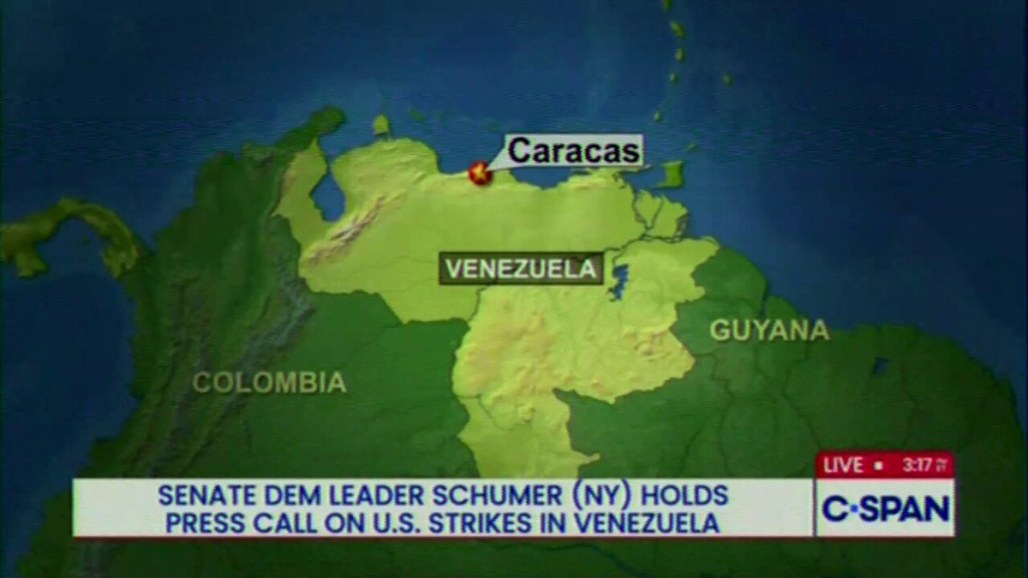
The article discusses the recent U.S. regime change in Venezuela, linking it to historical examples of American intervention and corporate interests. It highlights how Wall Street is enthusiastic about seizing Venezuela’s oil. This situation mirrors past actions, such as the 1931 Barco oil concession pushed by U.S. Treasury Secretary Andrew Mellon. The author compares the current political landscape, marked by Trump’s aggressive international stance and negligence of democratic processes, to the corporate dominance and gunboat diplomacy of the past.
Trump’s administration is characterized as serving financial capital, with parallels drawn to earlier presidents. The article emphasizes that while Trump is transparent about his motivations, previous administrations were more covert in their intentions regarding oil. The current U.S. is facing a significant shift, with a weakened industrial base and growing public discontent.
Despite the grim outlook, the author notes a rising awareness among the public regarding the existing power structures, signaling potential for political change. Recent developments in political leadership, like New York City Mayor Zohran Mamdani’s efforts to address economic power concentration, suggest a possibility for reform. The article concludes with optimism for new political movements that may challenge the existing oligarchic structures, echoing sentiments from historical figures like Abraham Lincoln about adapting to new circumstances. The piece closes with a monopoly round-up summarizing ongoing issues related to economic power and inequality.
