



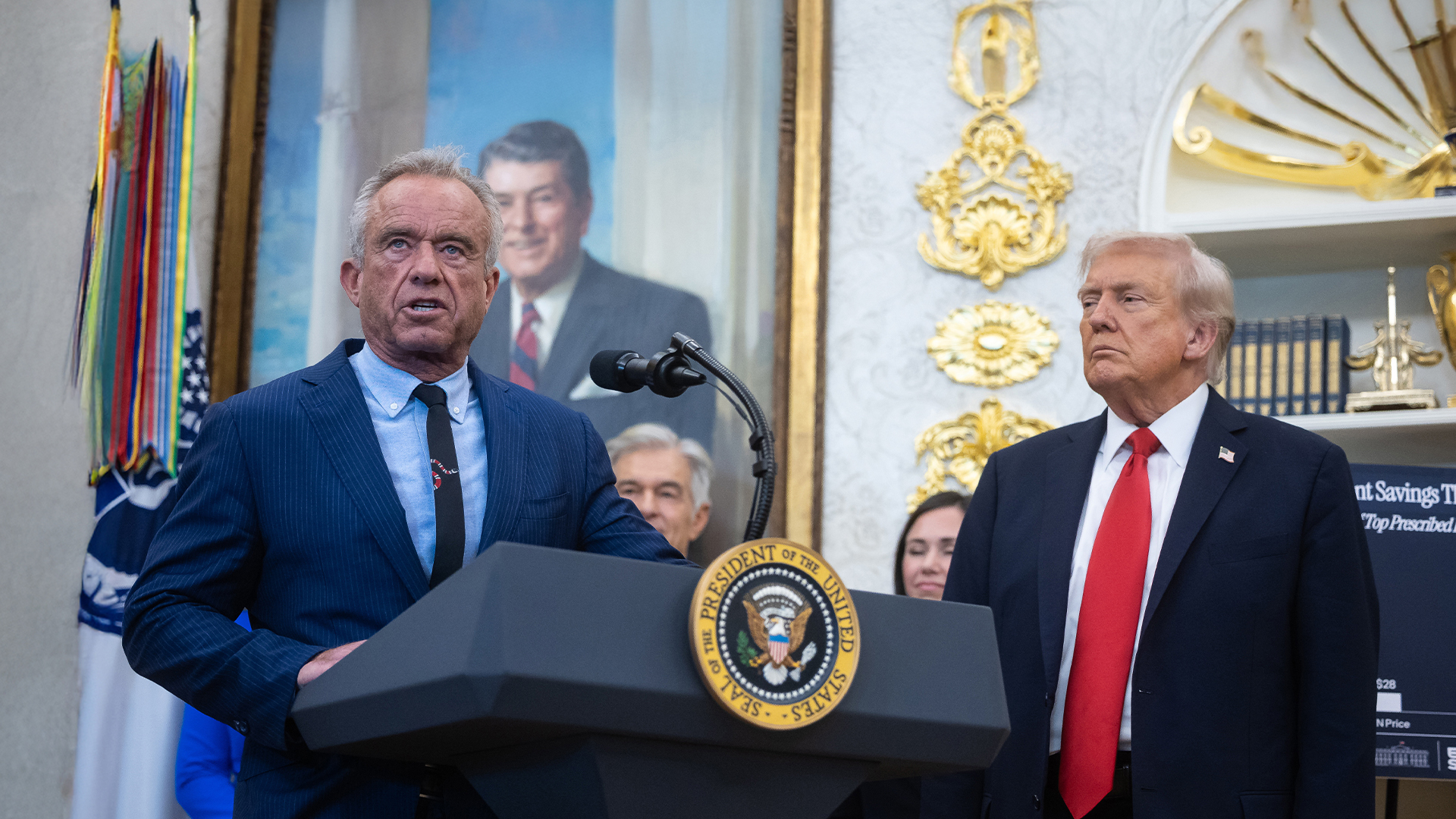
In 2023, President Donald Trump advised pregnant women against taking Tylenol, linking it to autism risk without scientific backing, a claim echoed by Health Secretary Robert F. Kennedy Jr. (RFK Jr.), both known for challenging established science. This politicization of health information has prompted a crisis, affecting public trust in scientific consensus globally, especially post-COVID-19.
Editors from various health and science publications discussed their responses to growing anti-science sentiments. Ricke Berke of STAT emphasized the urgency to fact-check misinformation, while Tom Zeller from Undark focused on evidence without sensationalism. Fabiola Torres from Salud con lupa and Verah Okeyo from DeFrontera highlighted how political discourse has fueled distrust in vaccines and treatments, leading to public health crises in their regions.
The rise in health misinformation has severe consequences, evidenced by outbreaks of diseases like measles and whooping cough linked to vaccine hesitancy fostered by figures like Trump and RFK Jr. Editors noted the increasing polarization in public reactions to their reporting, leading to personal attacks and security concerns.
To combat this, they strive to communicate complex scientific information in accessible ways, aiming to rebuild trust and effectively connect evidence to people’s lives. The overarching goal is to foster understanding and counter the narratives propagated by anti-science figures without escalating political conflict.
