



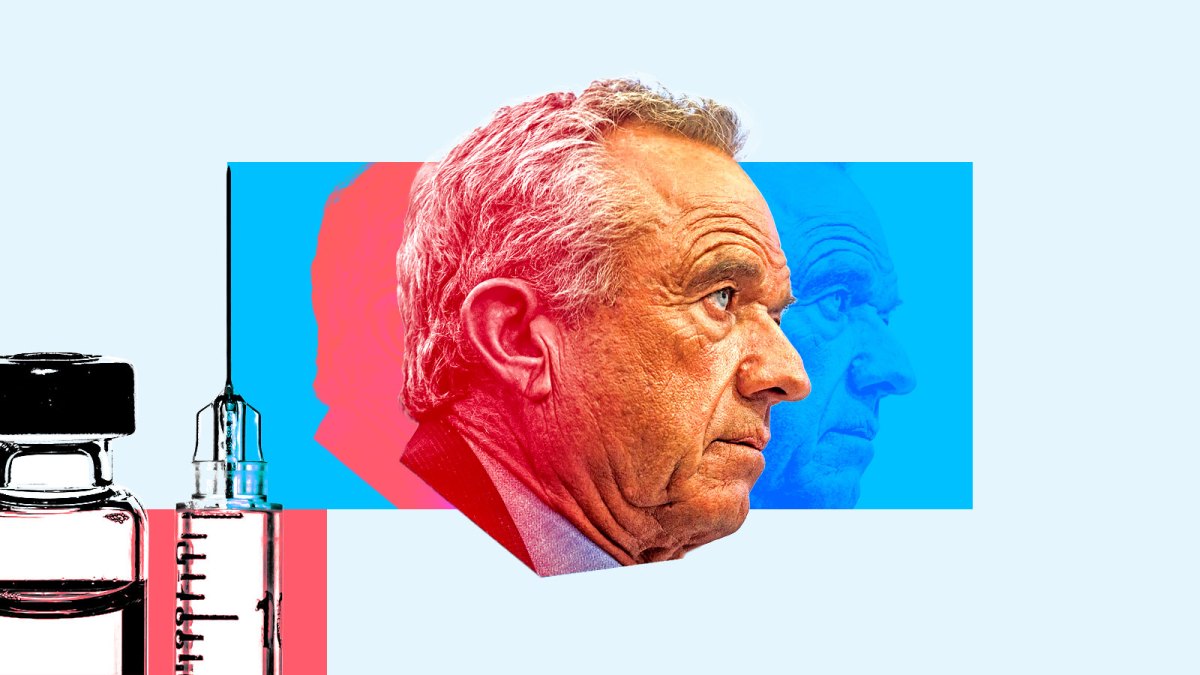
In the CDC headquarters, a culture of fear and secrecy prevails, with employees avoiding Zoom meetings to evade potential recordings and discussing sensitive topics only in soundproof offices. This atmosphere follows significant staff layoffs since Robert F. Kennedy Jr.’s appointment as health secretary, with over 10,000 experienced workers let go. Current employees express concerns over a perceived loss of scientific integrity, citing the disruption of longstanding programs and priorities deemed “woke.”
Kennedy’s aggressive reforms, described by critics as a dismantling of vital health infrastructures, have triggered dysfunction across agencies like the FDA and NIH. His controversial moves included firing all members of the advisory committee on immunizations, raising alarms among former experts about the politicization of vaccines. Though Kennedy’s initiatives aim to reshape America’s health landscape positively, insiders warn that ongoing chaos and shuffling of expertise jeopardize public health, particularly in vital areas like chronic disease prevention and food safety.
Many staff express disillusionment with the administration’s direction, fearing that the current trajectory could lead to significant negative consequences for health in the U.S. Amid critiques of inefficiency, questions linger about who truly drives health policy within the administration, as bureaucratic layers seem to have increased even under the guise of reform. Current employees face an uncertain future, highlighting the distressing impact this leadership has on both their professional lives and public health at large.
