



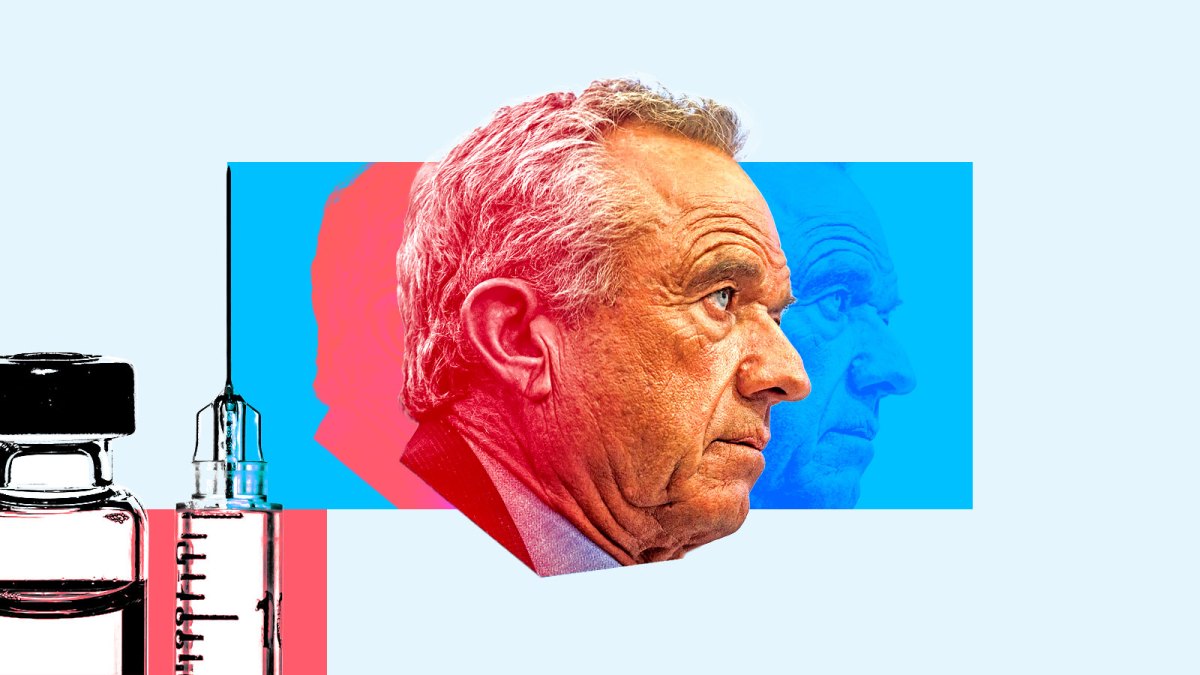
At the CDC headquarters in Atlanta, employees feel a constant sense of surveillance and fear following significant changes since Robert F. Kennedy Jr.’s appointment as health secretary in February, which led to over 10,000 firings. Staff have adopted a low-profile approach, avoiding Zoom meetings and conducting sensitive conversations in soundproof offices to evade scrutiny from officials from the Department of Government Efficiency (Doge).
Kennedy’s reforms have disrupted established scientific practices, with longstanding research programs shut down in favor of a new agenda perceived as “anti-science.” Critics, including former CDC and NIH employees, express concerns over the negative impact on public health, particularly regarding vaccine policies and chronic disease prevention. Kennedy’s approach has sparked chaos and dysfunction, with funding cuts causing shortages of basic supplies and an erosion of food safety oversight at the FDA.
Kennedy’s dismissal of the advisory committee on immunization practices, accusations of political influences in vaccination guidelines, and the closure of vital health programs raise significant alarm. Many employees, fired or currently working under fear, worry that these developments will have dire public health consequences, with some stating they would not return to an administration so opposed to scientific integrity. Overall, the shift under Kennedy and Doge is described as not only counterproductive but potentially harmful to the health of the American population.
