



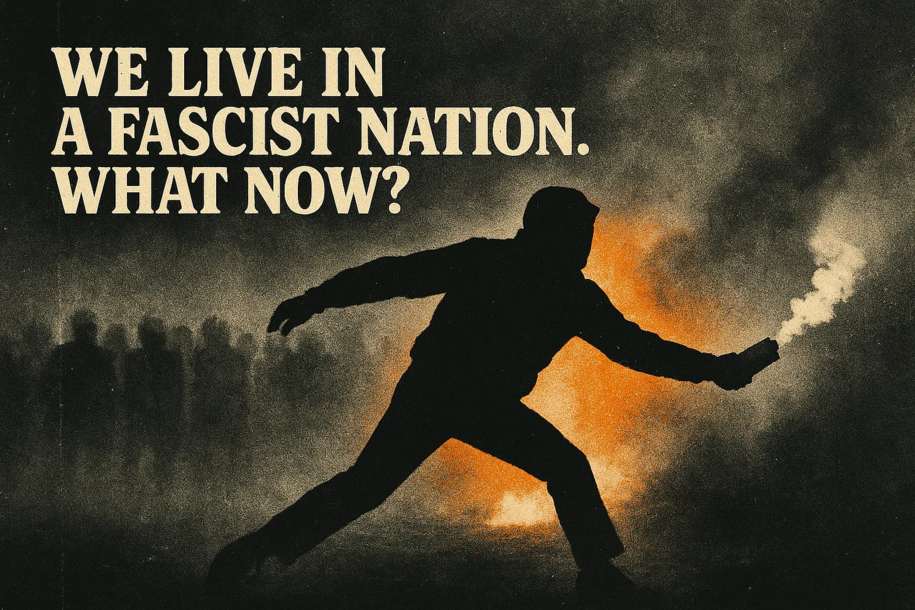
The article examines historical patterns of fascism, revealing that once fascists gain power through democratic means, they have never been removed through democratic processes. The author highlights failed attempts by conservatives to control fascist leaders like Hitler and Mussolini, who ultimately purged their allies. The same pattern emerges in countries like Hungary and Spain, where democratic resistance was ineffective.
The piece notes that the only successful prevention of fascism occurred in Finland in 1932 when a military intervened against a fascist coup. Most regimes were ended through war or military coups, lasting an average of 31 years. The historical record suggests that alliances with fascists only lead to their eventual takeover, often marked by violence.
The author warns that the present situation in the U.S. mirrors past mistakes, as authoritarian figures threaten democracy while claiming victimhood. Options for resistance are explored, including coordinated efforts from blue states, selective non-compliance, serious discussion of secession, and international intervention, given that the historical playbook does not apply to the current U.S. context.
Ultimately, the article suggests that the chance to prevent fascism has passed, and raises the question of how society will respond now that democratic institutions are under threat. The urgency lies in finding unprecedented solutions to address the rise of authoritarianism.
