



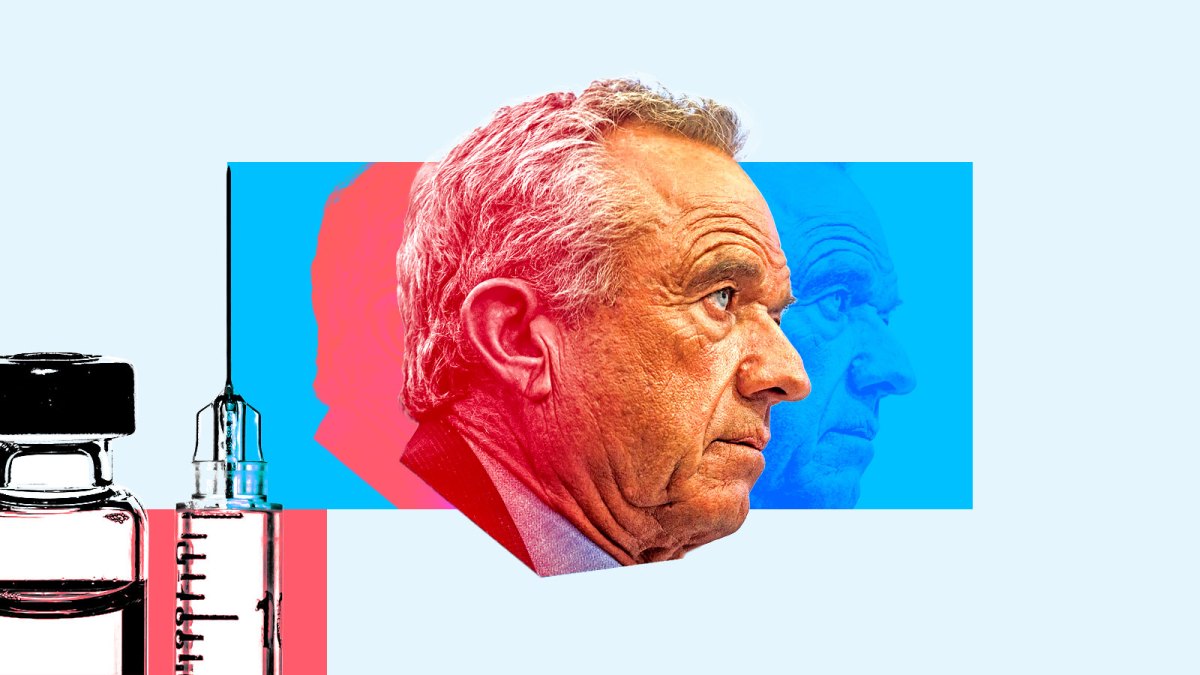
At the CDC headquarters in Atlanta, the atmosphere has become tense and secretive since Robert F. Kennedy Jr. was appointed health secretary, resulting in over 10,000 staff terminations. Employees fear surveillance, avoiding Zoom meetings and opting to write notes by hand. The changes have disrupted scientific norms, with many health programs canceled under the direction of Kennedy and the Department of Government Efficiency (Doge), leading to concerns about the future of public health.
Kennedy’s reform agenda, which aims to “make America healthy again,” has garnered both support and skepticism. Critics within the CDC, FDA, and NIH describe a chaotic environment, fearing that the dismantling of research programs and increased bureaucracy hinder public health efforts. Notably, the abrupt dismissal of all members of a vaccine advisory committee raised alarms about vaccine politicization and the risk of making vaccines less accessible.
Despite claims of streamlining and fiscal discipline, insiders report inefficiencies that exacerbate operations, particularly at the FDA, where staff shortages impact safety inspections. Questions arise over the actual leadership within the health agencies, with speculation that other Trump appointees may hold greater influence than Kennedy himself.
Amid the turmoil, many former employees express reluctance to return under an administration they view as anti-science. Those still working endure anxiety and uncertainty, fearing for the long-term implications on public health in the U.S. and beyond.
