



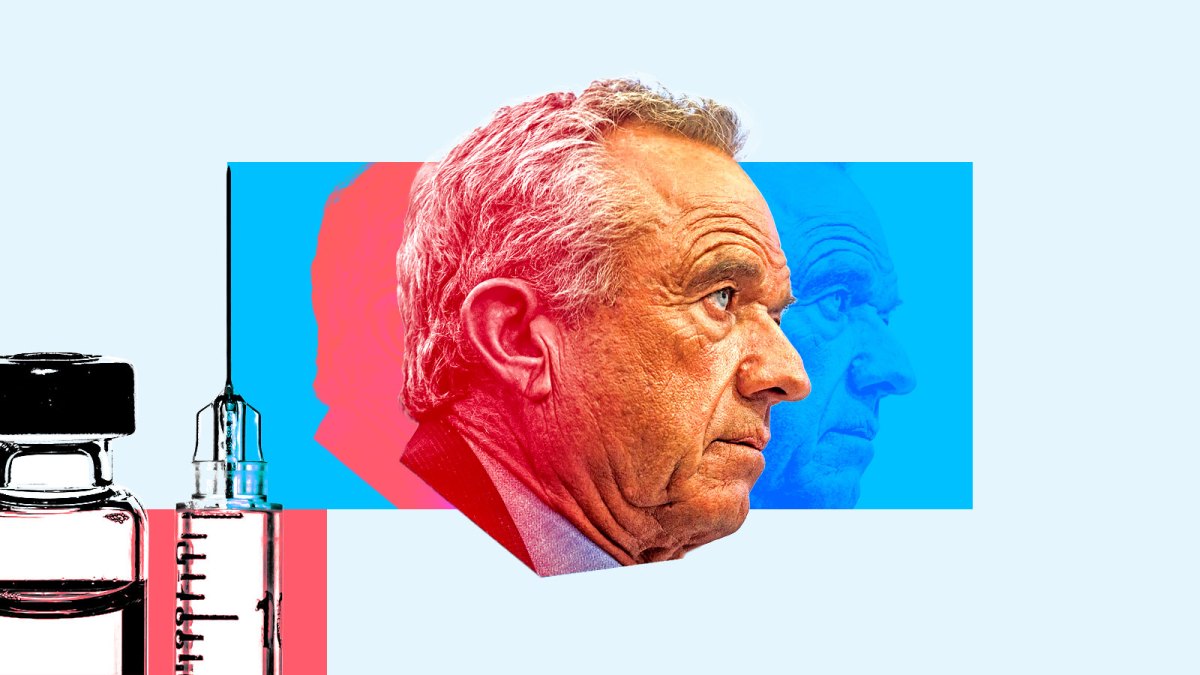
At the CDC’s Building 21 in Atlanta, employees are keeping a low profile to survive amid a climate of fear and monitoring since Robert F. Kennedy Jr.’s appointment as health secretary. Over 10,000 experienced staff have been fired, leading to chaos as health priorities shift and traditional scientific norms collapse. Insiders report on a sense of dysfunction, with essential research and prevention programs being dismantled, including those targeting chronic diseases and lead poisoning.
Kennedy’s aim to overhaul America’s vaccine policies has drawn significant controversy, resulting in the mass firing of the advisory committee on immunization practices. Former committee members express concerns over the politicization of vaccines, fearing public health could decline due to reduced vaccine availability and lack of scientific guidance.
Even as Kennedy announces initiatives like “Generation Gold Standard” aimed at vaccine development, experts criticize the reliance on outdated methods and bypassing scientific review, questioning the efficacy of these reforms. Insiders warn that the erosion of oversight at agencies like the FDA will compromise food safety, as staff struggles with operational challenges stemming from a hiring freeze and mass terminations.
Amidst this turmoil, many current and former employees voice a lack of faith in the administration, describing its approach as anti-science and expressing despair over the future implications for public health. As Kennedy’s influence is scrutinized, questions arise about who truly controls health policy in the U.S.
